Follow Us

Tag: Newsletter 1st Article

  • Cummins, Texas State Technical College expand diesel partnership

    Cummins, Texas State Technical College expand diesel partnership

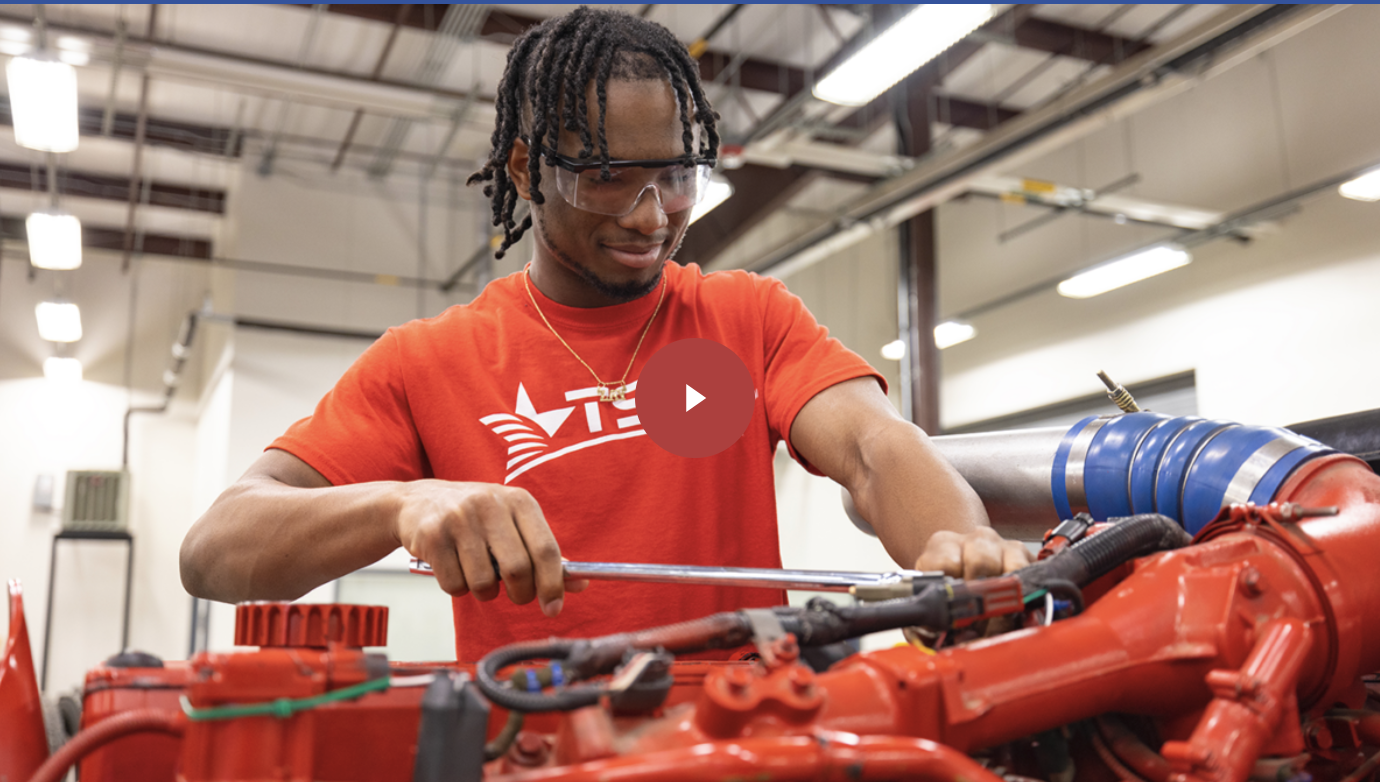
    Cummins is expanding their partnership with Texas State Technical College’s statewide Diesel Equipment program, offering educational resources to students and instructors that will be incorporated into course modules. 

    “Cummins is one of the leading engine manufacturers in the world,” said Richard Ferrell, the director of alignment for TSTC’s Diesel Equipment program. “All of the students are going to be exposed to these engines no matter what shop they’re working in.”

    The Diesel Equipment program is also available at the AbileneFort Bend CountyHarlingenMarshallNorth TexasSweetwater and Waco locations.

    Cummins began its partnership with TSTC by offering free virtual learning resources to a few of the college’s Diesel Equipment instructors. Chris Bishop, the company’s technical training manager for Texas, Oklahoma and the East Coast, said Ferrell approached him about further developments last year.

    He explained the program’s students and instructors have been given free subscriptions to QuickServe and INSITE — the company’s virtual learning tools that contain everything from diagnostics to training manuals and diagrams.

    “We assigned them a training ID that is with them for the rest of their career, so if they leave the school and go work for a dealership, that training goes with them — it never expires,” Bishop said.

    The Diesel Equipment program will be bringing the virtual tasks to its hands-on labs as well. Ferrell said that the program’s curriculum will be updated to include Cummins’ most applicable and beneficial training modules. This change will be fully implemented in fall 2027.

    “Instead of the students simply reading from the text and applying that in the classroom, the Cummins training also gives animations and explanations farther in depth than our current text does; the students will be training on the task virtually before completing it in the lab,” Ferrell said. “It’s going to make them more hireable for a higher salary and make them more competitive with people applying for the same job that don’t have that background.”

    Several Diesel Equipment instructors have already taken advantage of the free learning modules, and many of them agree with Ferrell that it will give their students an advantage in the industry hiring process.

    The Diesel Equipment program will also be implementing other specific OEM training from Peterbilt and Freightliner in fall 2027.

    The program offers several associate degrees and certificates of completion. 

    Registration for the fall semester at TSTC is underway. For more information about TSTC, go to tstc.edu.
  • National Technician Appreciation Week for 2026 gets under Way

    National Technician Appreciation Week for 2026 gets under Way

    Honoring the hard work and commitment of professional technicians, the American Trucking Associations and ATA’s Technology & Maintenance Council will kick off the seventh annual National Technician Appreciation Week on Sunday, June 14.  This year’s theme is “Celebrating technicians that keep us moving.”
     
    “Trucking operations run around the clock and cover hundreds of billions of miles to deliver to virtually every home, workplace, and business.  Our nation owes enormous gratitude to the hardworking men and women who keep our trucks well maintained and ensure the wheels of our essential industry continue to turn,”  said ATA President & CEO Chris Spear.  “During National Technician Appreciation Week, we will join Americans from coast to coast in celebrating technicians and thanking them for their knowledge, skill, and attention to detail.  Their professionalism and commitment to upholding exacting standards enhance the efficiency of our supply chain and help to keep everyone on the road safe.”
     
    Professional technicians perform one of the most demanding and critical roles in trucking. NTAW acknowledges the extraordinary efforts and talent of these dedicated professionals.
     
    “During National Technician Appreciation Week, we recognize the professional technicians who are indispensable to trucking operations,” said TMC Executive Director Robert Braswell.  “By ensuring vehicles are safe and ready for service, technicians make it possible for drivers to deliver the goods we all rely on.  This week is an opportunity for both the industry and the public to show their appreciation and thank these professionals for the critical work they do every day.”

  • ASE training managers’ survey  finds how much time techs train and what training they seek

    ASE training managers’ survey finds how much time techs train and what training they seek

    The ASE Training Managers Council (ATMC) has released the results of its 2026 Training Benchmarks survey which provides insights into technician training needs, industry trends and workforce development priorities across the automotive, truck and collision repair sectors. 

    This year’s survey generated a significant increase in participation, with responses up by approximately 65 percent compared to 2025, reflecting stronger engagement from technicians, instructors and industry stakeholders nationwide.

    The expanded response pool reinforces the survey’s role as a key benchmark for understanding how training delivery, accessibility and content needs continue to evolve. Findings from the 2026 survey show that technicians remain focused on practical, career-relevant education, with electrical/electronic systems, hybrid/EV systems, ADAS and advanced engine performance ranking among the most requested training topics, according to a statement from ATMC. The survey also highlights ongoing challenges in training accessibility, including unavailable course topics, quality concerns, scheduling conflicts and training costs, according to the ATMC.

    A major takeaway from the 2026 data is the continued demand for instructor-led learning environments that prioritize hands-on application. Technicians indicated a strong preference for instructor-led classroom sessions paired with workshop lab time, demonstrating that practical experience remains critical for skills development and confidence building in increasingly complex vehicle systems.

    How much time are technicians spending being trained in a year? Of those responding, 18% said they received more than 56 hours of training. 15.7% said one to eight hours; 13.1% said nine to 16 hours; 13% said 17-24 hours; 12% said 25-32 hours; 12% said 33-40 hours; 5.4% said 41-48 hours; and four percent said 49 to 56 hours.

    In specific, the survey asked, “Do you have access to the training you need?” This year’s survey found 69% of respondents said they do. That’s up from 58.37$ in 2025 and 58.93% in 2024.

    When broken out by the type of workplace respondents are in, 72% of original equipment technicians said they have access to the training they need. That compares to 55% of aftermarket and independent technicians, and 49% of fleet techs.

    The top reasons for a lack of training were:

    • 53% said right types of training not available
    • 38% said quality training not available
    • 29% said they cannot take time off
    • 22% said it costs too much
    • 17% said they would have to travel too far

    What kind of training do technicians want?

    Automotive technicians responses:

    • 63% said hybrif and EV systems
    • 60% said electrical/electronics
    • 43% said advanced engine performance
    • 43% said ADAS
    • 39% said sutomatich transmissions
    • 26% said engine performanc

    Truck technicians responses included:

    • 64% said electrical/electronics
    • 49% said automatic transmissions
    • 47% said engines
    • 44% said advanced engine performance
    • 39% said hybrid/EV
    • 36Z% said ADAs

    “Year after year, this survey helps us better understand what technicians truly need to succeed in today’s rapidly changing automotive landscape,” said Matt Shepanek, president of ATMC. “The growth in participation this year is a strong signal that our industry is invested in shaping better training opportunities and that technicians continue to value instructor-led education with meaningful hands-on workshop experience that directly translates to real-world repair environments.”

    For more information or to view a copy of the ATMC survey results, click here.

  • It’s Automotive Service Professionals Month, but observation will be moving

    It’s Automotive Service Professionals Month, but observation will be moving

    The National Institute for Automotive Service Excellence (ASE) will observe Automotive Service Professionals Month (ASPM) this June, while announcing a planned transition beginning in 2026–2027 to shift ASPM recognition to October and April to coincide with Fall and Spring Car Care Months.

    The change is intended to better align ASPM with national Car Care Month activities already taking place across the industry, where repair facilities, dealerships and service centers host events focused on vehicle maintenance, safety awareness and consumer education. By moving ASPM to these established observances, ASE aims to strengthen visibility for automotive service professionals and expand public engagement with the technicians who keep vehicles safe and reliable year-round.

    “While we are still proud to recognize Automotive Service Professionals Month this June, moving ASPM to October and April allows us to more closely connect with Car Care Month activities already happening across the country,” said Dave Johnson, ASE president and CEO. “Many of the repair facilities that employ ASE Certified professionals already participate in these seasonal events, so aligning ASPM with them creates a natural opportunity to highlight the skill, training and dedication of these technicians.”

    ASE’s staement concluded with, “Automotive service professionals play a vital role in communities nationwide, working in repair shops, dealerships and service centers to ensure vehicles remain safe, dependable and road ready. As automotive technology continues to evolve, these professionals are required to maintain and renew their ASE Certification every five years, demonstrating ongoing expertise and familiarity with the latest systems and industry standards.”

  • Car owners turn to DIY as costs & need to hold onto vehicles increase

    Car owners turn to DIY as costs & need to hold onto vehicles increase

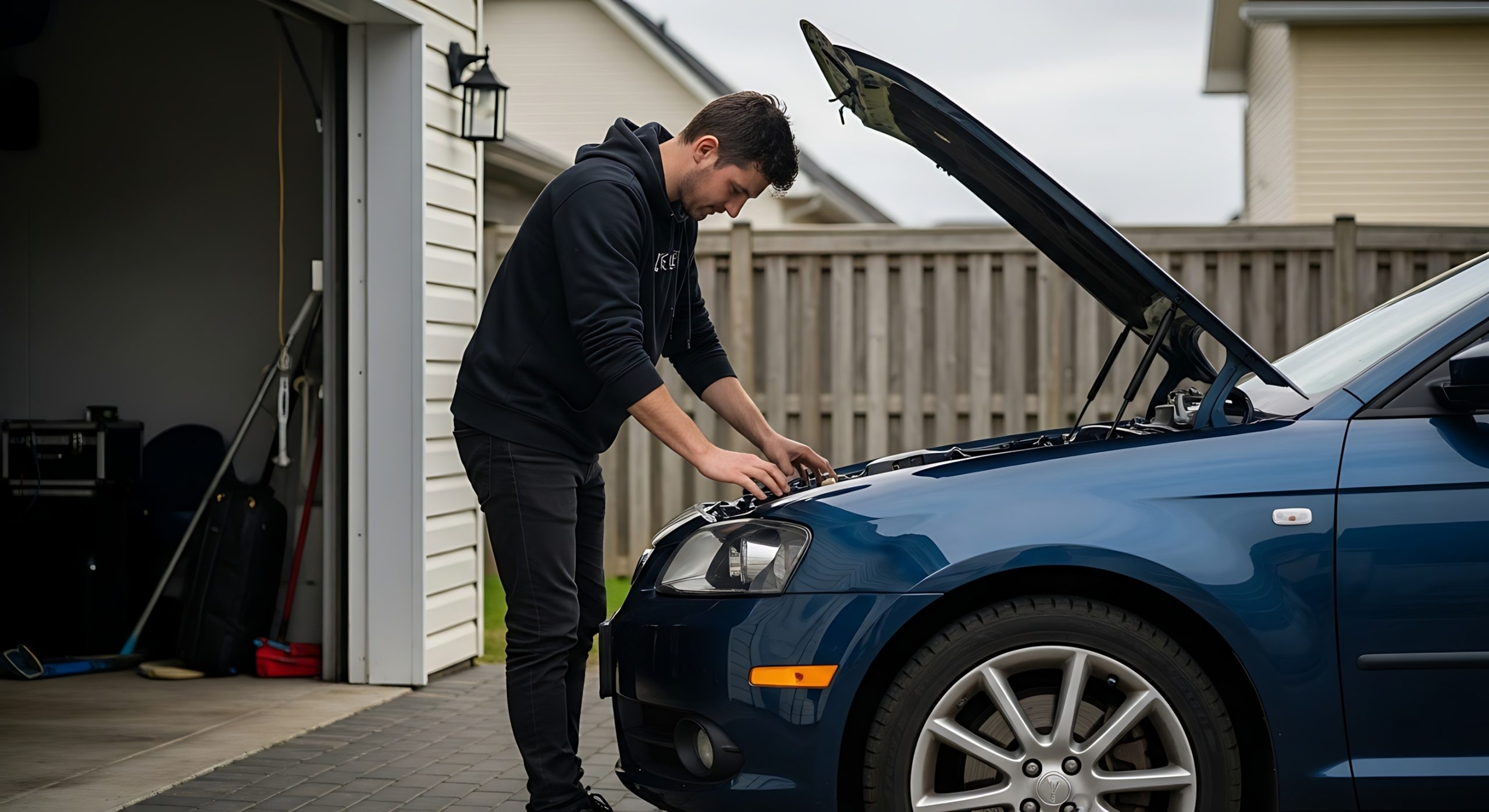
    Consumers are increasingly taking vehicle care into their own hands, driving measurable growth across the automotive aftermarket as do-it-yourself (DIY) maintenance becomes more mainstream. New insights from Circana highlight how this behavioral shift is impacting key product categories, fueled by economic pressures and evolving ownership and travel needs.

    According to recently launched tracking information from Circana, U.S. sales revenue in the automotive hand tools category grew 3.2% in the 12 months ending March 2026. This uptick follows a period of flat performance in the prior year across items such as sockets, wrenches, pliers, and other specialty hand tools sold at auto specialty retailers — underscoring a renewed momentum tied to consumer engagement in DIY auto care.

    The DIY trend suggested by the recent growth in automotive hand tools is further underscored by sales in other core maintenance categories Circana has been monitoring. Unit sales of motor oil (quart volume) and filters have increased by 3% or more for three consecutive years across retail channels, signaling sustained consumer commitment to performing routine vehicle maintenance independently.

    “Consumers are enlisting do-it-yourself auto maintenance in an effort to save money amid challenging economic times, rising gas prices, and growing needs being placed on their vehicles,” says Nathan Shipley, automotive industry analyst for Circana. “We’re seeing shoppers become more resourceful and hands-on as they look for ways to extend the life of their vehicles and manage expenses.”

    The shift reflects broader market dynamics influencing consumer decision-making:

    • Cost-conscious behavior: Rising costs across fuel, repairs, and everyday expenses are prompting vehicle owners to seek savings through self-service maintenance.
    • Vehicle longevity needs: With consumers keeping cars longer, there is increased demand for ongoing upkeep and performance optimization.
    • Access to knowledge and tools: Online tutorials, digital guides, and more intuitive product designs are making DIY maintenance more accessible than ever.
    • Retail adaptation: Automotive retailers are expanding product assortments and educational resources to meet growing DIY demand

    Recent growth in automotive hand tool sales represents an important indicator of engagement, as these purchases often precede or accompany more advanced repair activities. Meanwhile, the steady growth in consumables like motor oil and filters points to routine maintenance becoming a habitual practice among a broader consumer base.

    “As economic uncertainty persists and vehicle dependency remains high, DIY auto maintenance will continue to gain traction with consumers,” added Shipley. “Manufacturers, retailers, and service providers who support these behaviors by offering not just products, but also education, will build the consumer relationships that are critical right now.”

  • Study: ‘Fleets are shifting from reacting to issues to preventing them’

    Study: ‘Fleets are shifting from reacting to issues to preventing them’

    The J. J. Keller Center for Market Insights has released its sixth annual State of Fleet Management study, revealing a growing shift among fleet managers toward prevention, early detection and real-time visibility to address ongoing safety and compliance challenges.

    The study highlights how fleet managers are balancing regulatory complexity, operational demands and cost pressures while working to reduce risk across their operations, according to J.J. Keller.

    Key fleet manager concerns included:

    • Effectively managing preventative maintenance to avoid breakdowns or accidents
    • Staying up to date on changing regulations 
    • Ensuring training results in fully qualified and compliant drivers
    • Knowing quickly when a driver is non-compliant
    • Identifying repair needs before breakdowns or incidents

    “Fleets are shifting from reacting to issues to preventing them,” said Daren Hansen, senior compliance expert at J. J. Keller & Associates, Inc. “With tighter margins and higher risk, there’s a clear focus on catching problems early, whether that’s identifying non-compliant drivers or addressing maintenance needs before they lead to breakdowns or violations.

    “Small gaps in compliance, training or maintenance can quickly turn into major issues. A structured safety and compliance program helps fleets stay ahead of risk and operate with greater confidence.”

    The survey identified what fleet managers considered the most important aspects of vehicle maintenance. Responses included:

    • 43% said effectively tracking, planning, and scheduling routine vehicle maintenance
    • 43% said knowing when a repair is needed before a breakdown or accident occurs
    • 30% said easily tracking vehicle inspections, knowing when they are done, by whom, what needs to be done as a result, etc.
    • 26% said knowing quickly when a vehicle or trailer is damaged or non-compliant
    • 21% said impact of vehicle preventative maintenance on the company’s bottom line
    • 20% said easily knowing who, when, and where a vehicle or trailer was damaged
    • 19% said tracking the quality and thoroughness of vehicle inspections to address issues with incomplete/rushed inspections
    • 17% said easily tracking the status of repairs
    • 12% said Kknowing when it makes financial sense to outsource maintenance to a third party

    The full study is available as a free download.

  • New Ohio Peterbilt dealership has 25 service bays

    New Ohio Peterbilt dealership has 25 service bays

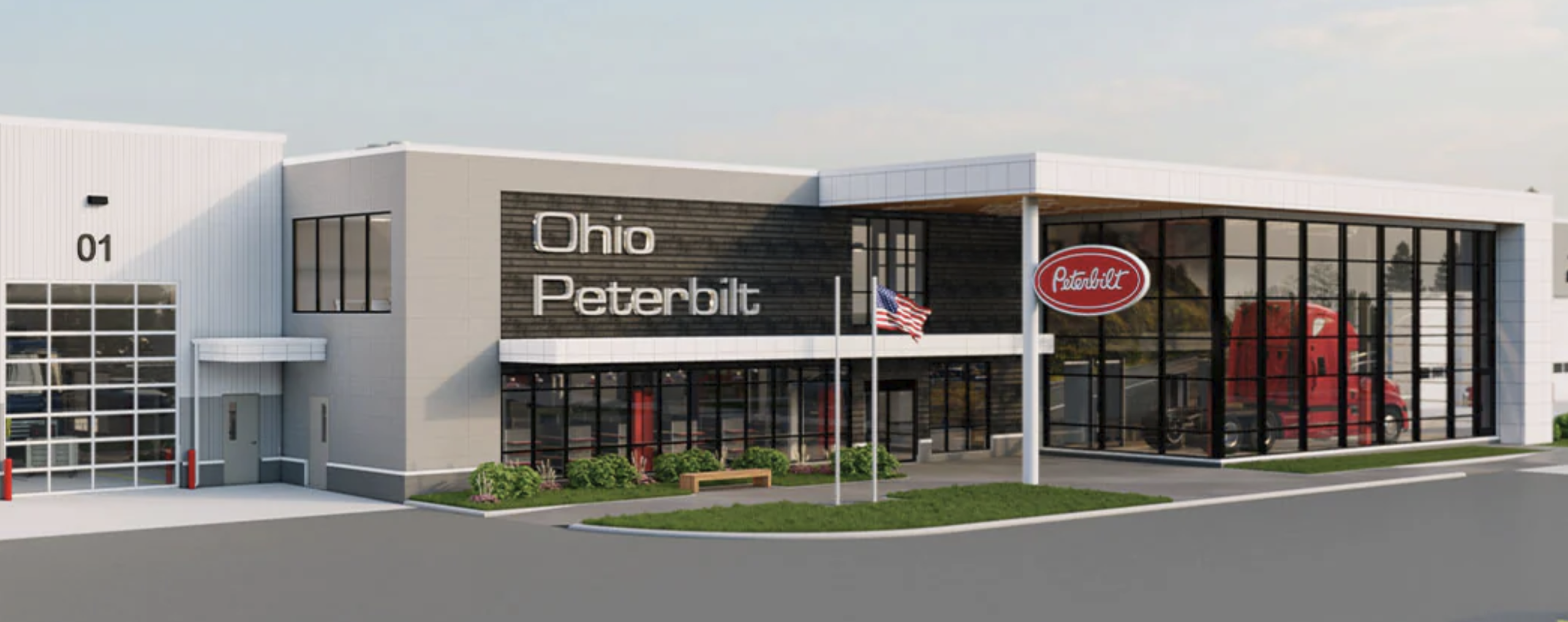
    Ohio Peterbilt is proud to announce the Grand Opening Celebration of its newest, state‑of‑the‑art full‑service dealership in Etna, located approximately 20 miles east of downtown Columbus. The celebration will take place on Wednesday, July 29 at 1:00 p.m.

    Headlining the event are Heavy D and Diesel Dave, stars of the hit television series Diesel Brothers, who will appear as special guests during the celebration. A select group of customers will have the opportunity to participate in an exclusive meet‑and‑greet with the well‑known duo.

    The new dealership is located about 20 miles east of Columbus.

    This new Etna facility represents the next level of what a Peterbilt dealership should be, according to a statement from Ohio Peterbilt. The 82,000-square-foot facility features a full-service shop with 25 service bays, a central parts distribution center, office and retail space, and driver-focused amenities designed to keep fleets moving and reduce downtime. With convenient access near the Interstate 70 corridor, the Etna dealership is positioned to serve customers throughout Central Ohio and the Midwest.

    “Our Etna location is more than just a new dealership, it’s a destination,” said Mike Crawford, Vice President of Ohio Peterbilt. “We’re excited to officially open our doors and celebrate with our customers, partners, and the community. Having Heavy D and Diesel Dave join us makes this event even more special, and we look forward to welcoming everyone to see what this facility has to offer.”

  • Pete Store acquires 92-year-old family-owned dealership in PA and DE

    Pete Store acquires 92-year-old family-owned dealership in PA and DE

    The Pete Store, a four-time Peterbilt North American Dealer of the Year and one of the largest privately owned Peterbilt dealer groups in North America, recently announced the acquisition of G.L. Sayre, a family-owned Peterbilt dealership with locations in Conshohocken, Pennsylvania and New Castle, Delaware. 

    The two locations have re-opened as The Peterbilt Store – Philadelphia and The Peterbilt Store – Wilmington. The Conshohocken location will continue to offer new and used truck sales, along with parts and service. The New Castle location will continue providing parts and service, with truck sales to be added in the near future. Both facilities will retain their existing teams and their long-standing commitment to local customers, now backed by The Pete Store’s broader East Coast network and resources. 

    The acquisition strengthens The Pete Store’s Mid-Atlantic presence and extends coverage into the Philadelphia market, one of the most active freight regions in the country. Within a one-day drive of approximately 40% of the U.S. population and served by major corridors including I-95, I-76, and I-476, the region is a critical hub for fleets moving goods throughout the Northeast and beyond. 

    “These two locations strengthen our ability to support fleets up and down the East Coast,” Arscott added. “With every Pete Store location, customers benefit from consistent service, deeper parts inventory, and the technical support to keep their trucks on the road.” 

    Founded in 1934, G.L. Sayre has served the Mid-Atlantic region for 92 years as a family-owned Peterbilt dealership with a strong local presence. 

    “G.L. Sayre has built something special over nearly a century of serving this region,” said Jeff Arscott, president of The Pete Store. “Our job is to honor what the Sayre family created and continue investing in the service, parts, and support that customers in this market depend on every day.” 

    The acquisition brings The Pete Store’s network to 33 locations across the Eastern U.S.

  • ASE offers certification tests for medium and heavy-duty trucks

    ASE offers certification tests for medium and heavy-duty trucks

    Automotive service professionals looking to renew or enhance their certifications are reminded that the National Institute for Automotive Service Excellence (ASE) offers T-Series certification tests that verify the proficiency of professional service technicians who work on medium and heavy-duty trucks.

    “The ASE medium and heavy-duty truck certification exams allow service professionals to demonstrate to employers and customers that they possess the skills and expertise needed to service and repair trucks across all class levels,” said Dave Johnson, president and CEO of ASE. “Passing these rigorous ASE truck certification exams give technicians the confidence of knowing they rank among the best in their field.”

    Designed to identify and recognize medium and heavy-duty truck technicians who demonstrate knowledge of the skills necessary to diagnose, service and repair different systems of Class 4 through Class 8 trucks and tractors, ASE offers eight T-Series certification tests. The tests include gasoline engines (T1); diesel engines (T2); drive train (T3); brakes (T4); suspension and steering (T5); electrical/electronic systems (T6); heating, ventilation and air conditioning (HVAC) (T7) and preventive maintenance inspection (T8). Those who are certified in tests T2–T8 are recognized as ASE Certified Master medium-heavy truck technicians.

    ASE offers a free, online study guide that contains test specifications, tasks lists, sample test questions and training resources.

    For more information about ASE truck tests and other ASE tests, visit www.ase.com/test-series.

  • ASE Instructor Training Conference set for July in Texas

    ASE Instructor Training Conference set for July in Texas

    Registration continues for the 16 th annual ASE Instructor Training Conference. The conference, the largest event of its kind, is scheduled for July 20-23 in Frisco, Texas, outside of Dallas.

    The keynote event, entitled “Filling the Farley Gap: Addressing the Technician Pipeline,” will discuss Ford CEO Jim Farley’s recent statement that the automotive technician shortage is a growing threat to the industry.

    The panel discussion, moderated by Chris Messer, executive vice president with EndeavorB2B, uses data from IMR Inc.’s Perceptions of the Trades WrenchWay’s Voice of the Technician Survey, ASE Education Foundation’s Student Survey, and more, to unpack the root causes of the shortage, from rising education and tool costs to pay plan challenges and increasing vehicle complexity.

    This premier national training event is presented by the ASE Education Foundation and offers more than 20 hours of technical update training with separate tracks for auto, medium/heavy truck and collision repair instructors.

    The ASE Instructor Training Conference also features networking events and a sponsor expo. Nearly 300 high school and college instructors from auto, truck and collision repair programs across the country attended the last year’s conference in St. Louis.

    To learn more and register for the 2026 ASE Instructor Training Conference, click here.