Follow Us

Author: admin

  • victory Tire & Auto acquires Blaine, MN Service Garage

    victory Tire & Auto acquires Blaine, MN Service Garage

     Victory Tire & Auto, in business in Minnesota since 1997 and a Straightaway brand, recently announced the acquisition of Service Garage in Blaine, Minnesota, marking its 29th shop in the state. 

    Service Garage, owned by Brian and Nancy Gross, has been serving the Blaine community and surrounding areas since 2003. After 40 years of serving the Blaine community, Brian and Nancy decided it was time to start thinking about their retirement.

    “Finding the right partner to carry on what we built was incredibly important to us,” said Bran Gross, owner of Service Garage. “Not only for our loyal customers, but for our amazing team as well. From the beginning, Victory Tire & Auto stood out as the right choice because they share the same values that we’ve always believed in.

    “We’re confident Victory will continue taking great care of the Blaine community and preserve the relationships and trust with our customers. We’re grateful for the support we’ve received throughout this journey and are excited for this next chapter with our family.”

    Victory Tire & Auto plans to continue building on the strong reputation Service Garage has established in the Blaine community. The acquisition reflects Victory’s continued commitment to partnering with respected local shops that align with its values of honesty, quality work, and trusted customer care.

    “We’re honored that Brian and Nancy chose Victory Tire & Auto to carry on the legacy they’ve built over the past four decades,” said Jeff Matt, brand president of Victory Tire & Auto. “Earning that kind of trust means a great deal to us. We’re excited to welcome both the team and customers into the Victory family, and we look forward to building on the strong foundation that has already been established in the community for years to come.”

    The addition of Service Garage of Blaine represents another step in Victory’s strategic growth across Minnesota, enhancing its ability to serve more customers with trusted, high-quality automotive care. For more information about Victory Tire & Auto, please visit www.victorytireandauto.com.

  • Car owners turn to DIY as costs & need to hold onto vehicles increase

    Car owners turn to DIY as costs & need to hold onto vehicles increase

    Consumers are increasingly taking vehicle care into their own hands, driving measurable growth across the automotive aftermarket as do-it-yourself (DIY) maintenance becomes more mainstream. New insights from Circana highlight how this behavioral shift is impacting key product categories, fueled by economic pressures and evolving ownership and travel needs.

    According to recently launched tracking information from Circana, U.S. sales revenue in the automotive hand tools category grew 3.2% in the 12 months ending March 2026. This uptick follows a period of flat performance in the prior year across items such as sockets, wrenches, pliers, and other specialty hand tools sold at auto specialty retailers — underscoring a renewed momentum tied to consumer engagement in DIY auto care.

    The DIY trend suggested by the recent growth in automotive hand tools is further underscored by sales in other core maintenance categories Circana has been monitoring. Unit sales of motor oil (quart volume) and filters have increased by 3% or more for three consecutive years across retail channels, signaling sustained consumer commitment to performing routine vehicle maintenance independently.

    “Consumers are enlisting do-it-yourself auto maintenance in an effort to save money amid challenging economic times, rising gas prices, and growing needs being placed on their vehicles,” says Nathan Shipley, automotive industry analyst for Circana. “We’re seeing shoppers become more resourceful and hands-on as they look for ways to extend the life of their vehicles and manage expenses.”

    The shift reflects broader market dynamics influencing consumer decision-making:

    • Cost-conscious behavior: Rising costs across fuel, repairs, and everyday expenses are prompting vehicle owners to seek savings through self-service maintenance.
    • Vehicle longevity needs: With consumers keeping cars longer, there is increased demand for ongoing upkeep and performance optimization.
    • Access to knowledge and tools: Online tutorials, digital guides, and more intuitive product designs are making DIY maintenance more accessible than ever.
    • Retail adaptation: Automotive retailers are expanding product assortments and educational resources to meet growing DIY demand

    Recent growth in automotive hand tool sales represents an important indicator of engagement, as these purchases often precede or accompany more advanced repair activities. Meanwhile, the steady growth in consumables like motor oil and filters points to routine maintenance becoming a habitual practice among a broader consumer base.

    “As economic uncertainty persists and vehicle dependency remains high, DIY auto maintenance will continue to gain traction with consumers,” added Shipley. “Manufacturers, retailers, and service providers who support these behaviors by offering not just products, but also education, will build the consumer relationships that are critical right now.”

  • Fleet maintenance provider Amerit acquires Canadian reefer repair specialist company

    Fleet maintenance provider Amerit acquires Canadian reefer repair specialist company

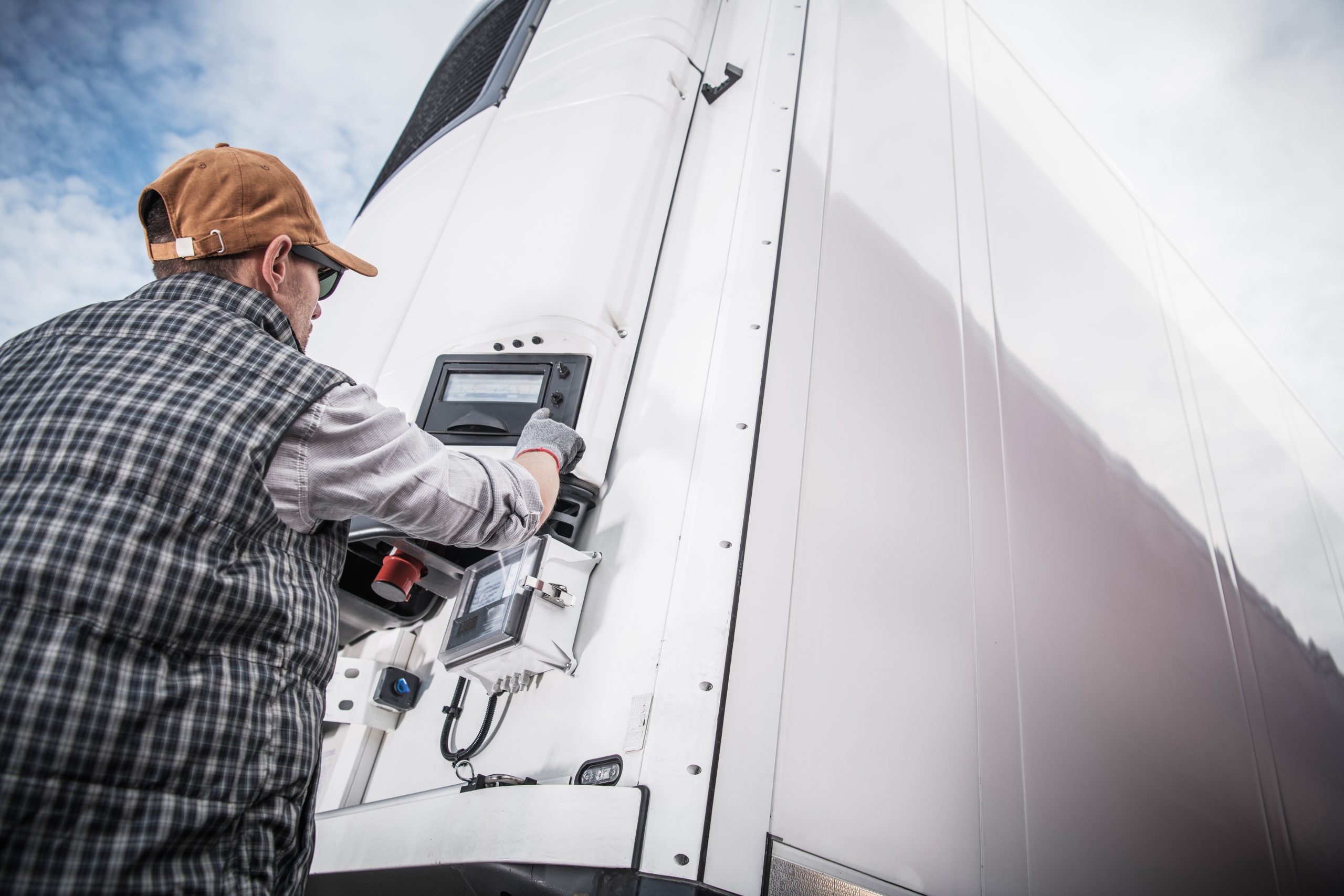
    Amerit Fleet Solutions, a leading provider of fleet maintenance and fleet solutions based in Walnut Creek, California, today announced the acquisition of Pro Reefer, a Canada-based fleet maintenance provider specializing in refrigerated trailer units.

    Terms of the deal were not made public.

    This acquisition strengthens Amerit’s refrigerated fleet service offerings and expands Amerit’s footprint into Canada, enhancing support for customers across the U.S. and Canadian markets, according to a statement from Amerit.

    Founded in 1998 with a dedicated focus on reefer systems, Pro Reefer has built a strong reputation for high-quality maintenance, diagnostics, and repair services for refrigerated trailers and transport refrigeration units. For over 28 years, the company has served customers in food distribution, cold chain logistics, and temperature-sensitive freight, providing preventive maintenance, emergency repairs, and compliance-driven service solutions.

    “Pro Reefer’s deep technical expertise in refrigerated equipment, excellent and tenured leadership team, and strong entrepreneurial culture make the company a fantastic fit for Amerit,” said Ross Rachey, Chief Executive Officer of Amerit Fleet Solutions. “This acquisition allows us to further support customers while expanding our service capabilities and geographic reach in Canada.”

    “We are excited to join Amerit and become part of an organization that shares our commitment to reliability, safety, and service excellence,” said Thomas Vandermeer, President and Founder of Pro Reefer. “I am honored to lead this organization into our next chapter, which will enable us to deliver even greater value to our customers while continuing to specialize in the reefer services they depend on.”

    “Pro Reefer is a perfect example of a market-leading management team and employee base that Amerit aims to partner with,” added Adam Lev, VP of Corporate Development. “We are excited to continue our growth story in the Canadian market.”

    The acquisition reflects Amerit’s continued investment in fleet solutions and its long-term strategy to support complex fleet operations across multiple asset types and geographies..

    Amerit Fleet Solutions is a provider of customized fleet maintenance and fleet solutions. Amerit manages over 350,000 assets and employs over 3,000 technicians. Amerit’s core services include mobile and onsite fleet maintenance, acquisitions and disposals, compliance, fueling, ops support center and Claims, and Program Management. Through these comprehensive services, Amerit helps organizations improve vehicle uptime, safety, and operational efficiency, according to the company.

  • 574 vehicles placed out of service in one-day North American brake inspection blitz

    574 vehicles placed out of service in one-day North American brake inspection blitz

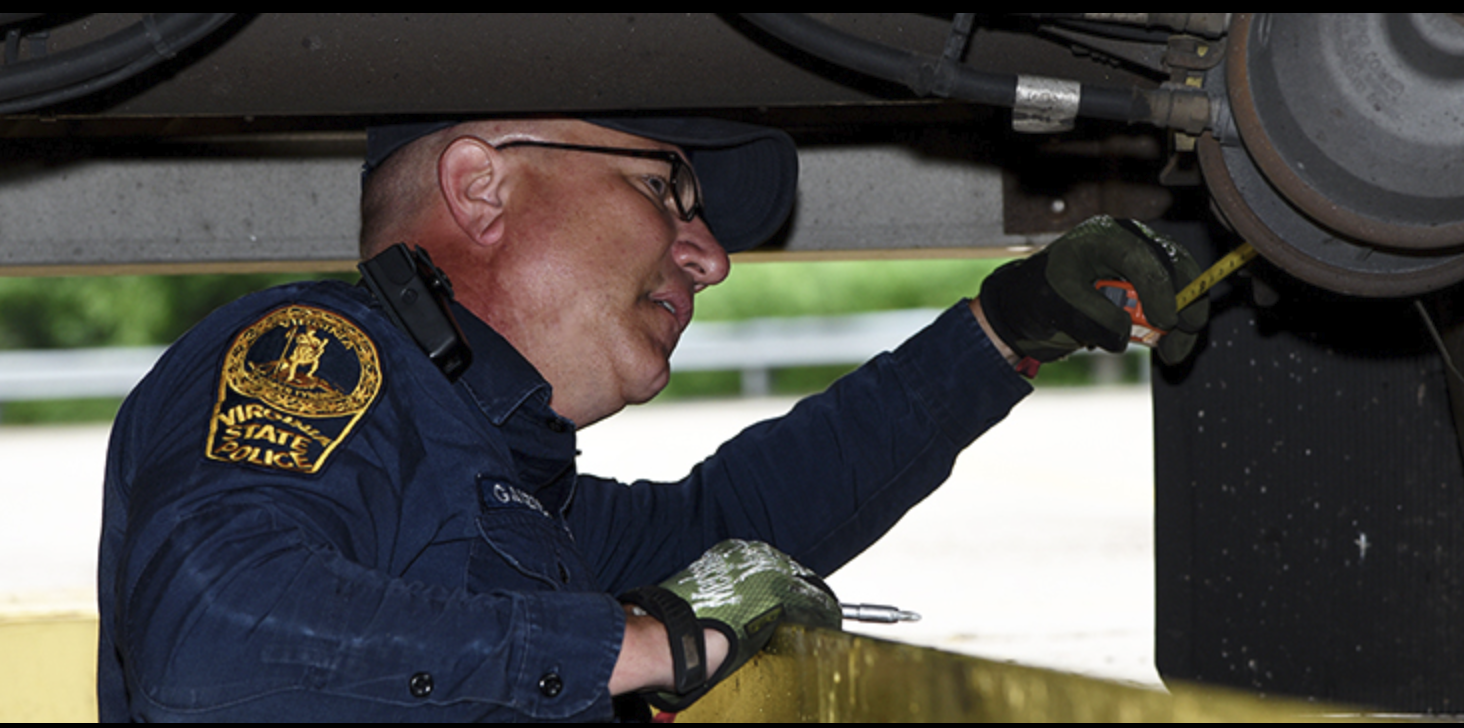
    Certified commercial motor vehicle inspectors throughout North America conducted 4,021 inspections of commercial motor vehicles during a recent surprise one day enforcement blitz, and placed 574 of those vehicles out of service due to brake-related violations.

    Brake Safety Day is the Commercial Vehicle Safety Alliance’s (CVSA) annual brake-safety inspection, regulatory compliance and data-collection initiative. Forty-seven jurisdictions throughout Canada, Mexico and the U.S. participated in this year’s Brake Safety Day, which was April 14.

    This year, emphasis was placed on drums and rotors. Inspectors identified 43 drum and rotor violations, of which 21 were out-of-service violations, according to the CVSA.

    Inspectors identified 313 commercial motor vehicles that met the 20% defective brakes out of-service criterion, which is when 20% or more of the vehicle’s (or combination of vehicles’) brakes have a condition that impairs braking ability to a degree that the brake is considered defective.

    In addition, inspectors identified 121 out-of-service violations related to brake hoses and/or tubing, 47 vehicles had steering axle out-of-service violations, 40 vehicles failed an air loss rate test, and there were 193 other out-of-service brake violations, such as inoperative tractor protection system, hydraulic or electric brake violations, inoperative parking/emergency brake, inoperative low-air warning device, etc. 

    Ten U.S. jurisdictions conducted 349 inspections utilizing a performance-based brake tester (PBBT), which is a machine that assesses the braking performance of a vehicle. U.S. Federal Motor Carrier Safety Regulations and CVSA’s North American Standard Out-of-Service Criteria require a minimum braking efficiency of 43.5%. Twenty-six vehicles failed to meet the required 43.5% minimum braking efficiency rate and were placed out of service.

    Most of the inspections completed (3,643 or 90.6%) on Brake Safety Day were North American Standard Level I Inspections. A Level I Inspection is a thorough 37-step procedure that examines the driver’s operating requirements and assesses the vehicle’s mechanical fitness. The Level I Inspection is the most-commonly conducted inspection type overall.

    CVSA’s Brake Safety Day is part of Operation Airbrake, a CVSA program dedicated to improving commercial motor vehicle brake safety throughout North America. CVSA’s seven-day brake safety campaign is scheduled for Aug. 23-29.

  • GreatWater 360 adds yet two more companies to its list of acquisitions

    GreatWater 360 adds yet two more companies to its list of acquisitions

    A major Midwestern auto care company continues its acquisitive ways with teh addition of two more companies, one in Minnesota and the other in Michigan.

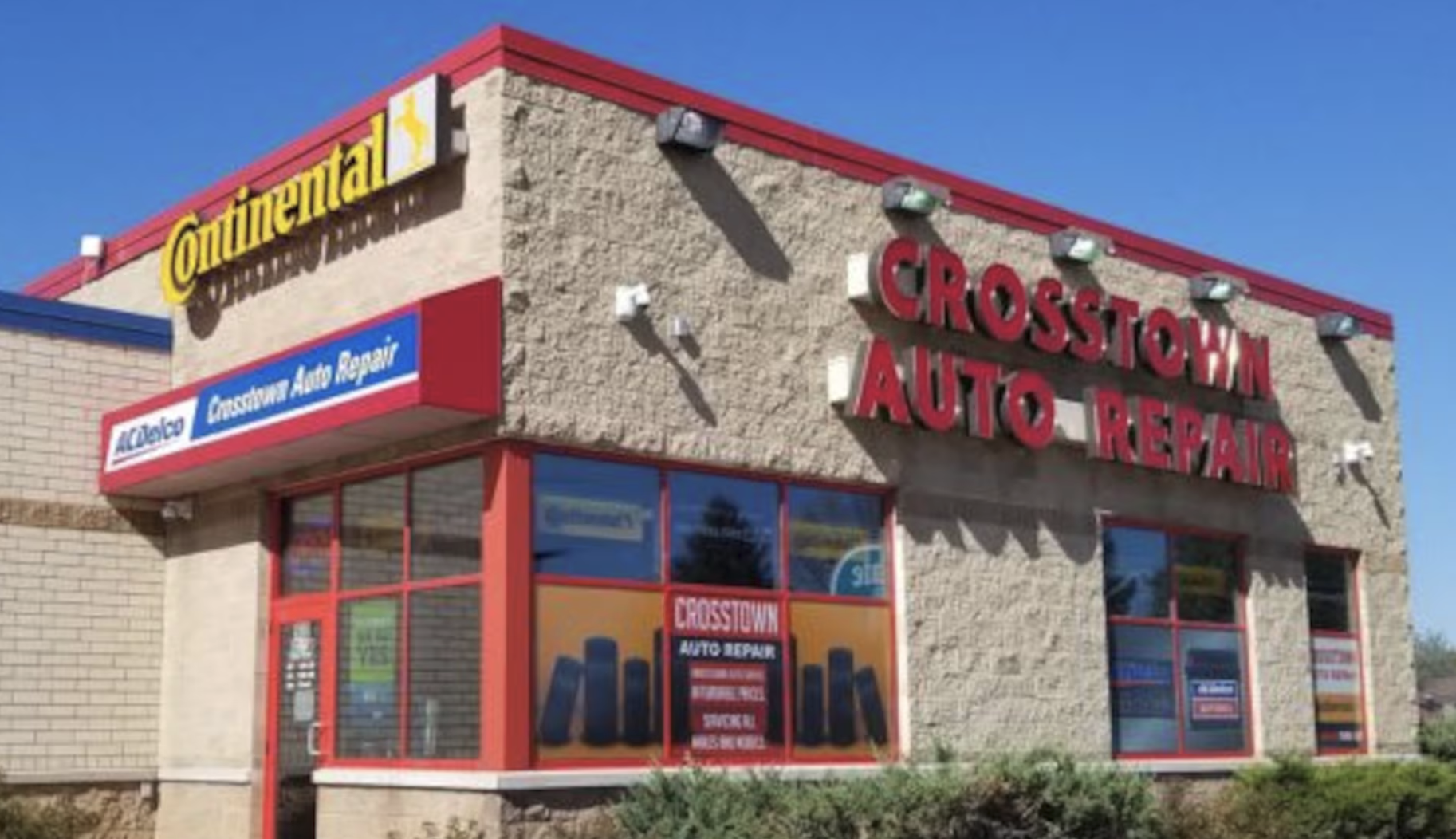
    GreatWater 360 Auto Care recently acquired Crosstown Auto Repair, a family-owned shop serving the south metro Minneapolis area, marking its 155th location nationwide and second acquisition in Minnesota in 2026.

    Led by former owner Perry Linn, whose automotive career began working in his father’s service station at a young age, Crosstown Auto Repair reflects decades of hands-on experience and a deep personal investment in the business and its community. Today, the shop is known throughout Burnsville, Savage, Lakeville, and Eagan for its honest, customer-focused approach to full-service repair and tire service, according to a statement from GreatWater 360.

    The addition of Crosstown continues GreatWater’s strategic expansion in Minnesota, following the acquisition of Leighton’s Garage earlier this year.

    “We’re intentional about how we build within a market, and Crosstown is a great example of that approach,” said Jim Dykstra, CEO of GreatWater 360 Auto Care. “Perry and his team have built a strong reputation by taking care of customers the right way. When someone has invested that much into a business, it’s important to find a partner who will respect that and carry it forward. We’re honored to be that partner.”

    “I was reserved and cautious about selling,” said Linn. “I wanted to find someone who was going to keep the shop’s legacy alive, but above all else I wanted to protect the team and find the right fit for them. GreatWater understood what I valued and had demonstrated how their model matched. At every stage in the process I felt confident the shop and team were going to be in great hands.”

    Crosstown Auto Repair will continue operating under its existing name with its current team in place. As part of the GreatWater network, the shop will gain access to expanded training programs, operational support, and tools designed to enhance both the employee and customer experience.

    In another recent move, GreatWater acquired Holly Tire & Auto Service, a family-owned auto repair shop in Holly, Michigan.

    Founded in 1991, Holly Tire & Auto Service has built a strong reputation in the community for honest, high-quality automotive repair and tire service. Its commitment to transparency—clear communication, upfront approvals, and no surprises—has made it a trusted partner for drivers throughout the surrounding area, said a staement from GreatWater 360.”

    “We’re always looking for shops that put the customer experience at the center of everything they do,” said Scott Anderson, President & COO of GreatWater 360 Auto Care. “Holly Tire & Auto has built its reputation on transparency, communication, and doing the right thing for the customer. From the beginning, it was clear that Allan and his team shared our values, and the process of working together reflected that alignment.”

    Holly Tire & Auto Service will continue operating under its existing name with its current team in place. As part of the GreatWater network, the shop will gain access to expanded training programs, operational support, and resources designed to enhance both the employee and customer experience.

    “As a single-location shop owner, there are a lot of challenges, and I had been thinking about what the future should look like,” said Allan Fee, former owner of Holly Tire & Auto Service. “I already knew GreatWater had a strong reputation, and after seeing a friend go through the process with them, I felt confident taking that step myself. What mattered most was taking care of my team, protecting the reputation we built, and maintaining continuity for our customers. GreatWater delivered on all of that.

    “Honestly, my biggest concern was how my team would react, but the process couldn’t have gone better. The team at GreatWater are just real, down-to-earth folks who made everyone feel comfortable from day one.”

    GreatWater’s growth strategy focuses on partnering with shops that align with its values, strengthen its presence in established markets, and fit within its operating model—building on what already makes those businesses successful.

    As the company continues to grow, more shop owners are seeking a transition partner that prioritizes their team, customers, and long-term legacy. GreatWater’s approach provides both a practical and personal path forward, ensuring that the businesses owners have built, and the people behind them, continue to thrive for years to come.
  • ‘Do not drive’ order issued with GM recall

    ‘Do not drive’ order issued with GM recall

    General Motors has issued a recall notice for numerous vehicles with four-wheel or all-wheel drive.

    The company has also issued a “do not drive” warning for the vehicles.

    According to the National Highway Traffic Safety Administration, the recall covers certain 2026 Cadillac Escalade and Escalade ESV, Chevrolet Silverado 1500, Suburban, and Tahoe, and GMC Sierra 1500, Yukon, and Yukon XL vehicles with four-wheel (4WD) or all-wheel drive (AWD), and certain 2015-2020 Suburban, Escalade, Escalade ESV, Yukon, Yukon XL, and Tahoe vehicles.

    The NHTSA said the front and/or rear wheels on these vehicles may lock up and cause a crash. GM said there is a component missing from the drivetrain transfer case.

    A total of 66 vehicles are covered by this recall.

    Owners are advised not to drive their vehicle until the remedy is completed. Dealers will inspect and, if necessary, replace the transfer case assembly, free of charge. Owner notification letters are expected to be mailed June 22, 2026. Owners may contact GMC customer service at 1-800-462-8782, Chevrolet customer service at 1-800-222-1020 or Cadillac customer service at 1-800-333-4223. GM’s number for this recall is N262557620. Vehicle Identification Numbers (VINs) involved in this recall became searchable on NHTSA.gov on May 7.

  • Study: ‘Fleets are shifting from reacting to issues to preventing them’

    Study: ‘Fleets are shifting from reacting to issues to preventing them’

    The J. J. Keller Center for Market Insights has released its sixth annual State of Fleet Management study, revealing a growing shift among fleet managers toward prevention, early detection and real-time visibility to address ongoing safety and compliance challenges.

    The study highlights how fleet managers are balancing regulatory complexity, operational demands and cost pressures while working to reduce risk across their operations, according to J.J. Keller.

    Key fleet manager concerns included:

    • Effectively managing preventative maintenance to avoid breakdowns or accidents
    • Staying up to date on changing regulations 
    • Ensuring training results in fully qualified and compliant drivers
    • Knowing quickly when a driver is non-compliant
    • Identifying repair needs before breakdowns or incidents

    “Fleets are shifting from reacting to issues to preventing them,” said Daren Hansen, senior compliance expert at J. J. Keller & Associates, Inc. “With tighter margins and higher risk, there’s a clear focus on catching problems early, whether that’s identifying non-compliant drivers or addressing maintenance needs before they lead to breakdowns or violations.

    “Small gaps in compliance, training or maintenance can quickly turn into major issues. A structured safety and compliance program helps fleets stay ahead of risk and operate with greater confidence.”

    The survey identified what fleet managers considered the most important aspects of vehicle maintenance. Responses included:

    • 43% said effectively tracking, planning, and scheduling routine vehicle maintenance
    • 43% said knowing when a repair is needed before a breakdown or accident occurs
    • 30% said easily tracking vehicle inspections, knowing when they are done, by whom, what needs to be done as a result, etc.
    • 26% said knowing quickly when a vehicle or trailer is damaged or non-compliant
    • 21% said impact of vehicle preventative maintenance on the company’s bottom line
    • 20% said easily knowing who, when, and where a vehicle or trailer was damaged
    • 19% said tracking the quality and thoroughness of vehicle inspections to address issues with incomplete/rushed inspections
    • 17% said easily tracking the status of repairs
    • 12% said Kknowing when it makes financial sense to outsource maintenance to a third party

    The full study is available as a free download.

  • Chrysler recalls some Ram 2500 pickups

    Chrysler recalls some Ram 2500 pickups

    A new recall is aimed at numerous pickup truck produced by Chrysler.

    The is recalling some 2023-2026 Ram 2500 pickup trucks. A software error in the powertrain control module may improperly allow the vehicle speed to exceed the tire speed rating. Chrysler’s recall notice said this can result in a loss of vehicle control. Loss of vehicle control increases the risk of a crash.

    This recall affects 12,736 vehicles.

    Dealers will update the powertrain control module software. Owner notification letters are expected to be mailed June 4. Owners may contact FCA customer service at 800-853-1403. FCA’s number for this recall is 43D.

  • JD Power Study: Aftermarket providers seen as less expert than dealers

    JD Power Study: Aftermarket providers seen as less expert than dealers

     Cost and affordability are playing an increasingly important role in the aftermarket service experience, according to the JD Power 2026 U.S. Aftermarket Service Index (ASI) Study, released recently, as customers hold onto their vehicles longer and maintenance needs shift toward more complex repairs.

    Year-over-year changes in customer satisfaction across the three segments examined in the index are mixed, with improvement in quick oil change (+4 points on a 1,000-point scale) but declines in tire replacement (-3) and full-service maintenance and repair (-7).

    Index results show that aftermarket providers are perceived as more convenient than dealers, particularly in speed of service. Even among same-day dealer visits, fewer than one in five (17%) dealer service customers have work completed within an hour, compared with 52% of tire replacement customers and 49% of full-service maintenance and repair customers at aftermarket providers.

    This speed advantage reinforces why customers continue to choose aftermarket providers primarily for convenience and prior positive experiences. At the same time, a growing share of customers also cite lower costs as a factor, pointing to rising price sensitivity and underscoring the need for aftermarket providers to continue emphasizing both speed and value. 

    “Affordability is playing an increasingly important role in the aftermarket service experience, but delivering on the fundamentals remains critical,” said Lisa Nguyen, manager of OEM Solutions at JD Power. “Index data shows that aftermarket providers are largely executing where it matters most, with the majority of impactful key performance indicators (KPIs) completed more than 70% of the time and the top two — the service advisor being completely focused on customer needs and providing helpful guidance — exceeding 90% completion rates across segments. At the same time, there are clear opportunities to improve. Areas like facility cleanliness and comfort continue to lag, and more consistent customer engagement through immediate greetings and post-service follow-up can further elevate the experience and differentiate providers.”

    Some key findings of the 2026 index include: 

    • Aftermarket providers still combat a perception of less expertise than dealer service: Despite consistently strong performance in fixing issues correctly the first time, with segment averages above 95% over the past five years and annual outperformance versus dealer service on this metric, aftermarket providers still face a clear perception gap. Customers continue to trust them less than dealers, particularly in their perceived ability to maintain peak vehicle performance and handle complex repairs. In the full-service maintenance and repair segment, trust scores in these areas average 6.07 and 5.89 (on a 7-point scale), compared with 6.31 and 6.20 among dealer customers.
    • Advisor communication and responsiveness can make or break satisfaction: Two service advisor measures were added to the ASI this year, with aftermarket providers performing well on both: the advisor being completely focused on customer needs (the most impactful index KPI) and clearly communicating when the vehicle will be ready before service begins. For example, among tire replacement customers, satisfaction is 861 when customers feel the advisor is fully focused on their needs but drops sharply to 566 when they believe this is not the case. Aftermarket providers also slightly outperform dealers in setting service timelines up front, with dealers achieving this just 80% of the time3.
    • Usage of and preference for text message communication continues to rise: Across all three segments, more customers report communicating with their service advisor via text message compared with last year, with texting now more common than phone calls in the tire and oil change segments. More than half of customers across all segments now prefer texts for service updates, and aligning with that preference meaningfully impacts satisfaction. Among customers who prefer texts and receive them, satisfaction is 854 but dips to 840 when they receive a phone call instead. Text messaging also enables advisors to share photo and video multi-point inspection results, more than doubling the likelihood that customers will approve recommended work, yet the industry shows no meaningful improvement in providing this documentation.

    Index Rankings 

    Goodyear Auto Service ranks highest in the full-service maintenance and repair segment with a score of 846. Tuffy Tire and Auto Service Centers (843) ranks second and Christian Brothers Automotive (834) ranks third. 

    Express Oil Change and Tire Engineers ranks highest in the quick oil change segment for a fourth consecutive year, with a score of 854. Take 5 (833) ranks second and Jiffy Lube and Valvoline Instant Oil Change (823) rank third, in a tie.

    Meineke Car Care Centers ranks highest in the tire replacement segment with a score of 856. Pep Boys (850) ranks second and Discount Tire (847) ranks third. 

    The U.S. Aftermarket Service Index (ASI) Study, now in its seventh year, measures customer satisfaction with aftermarket service facilities, providing a numerical index ranking of the highest-performing facilities in the U.S. aftermarket. Performance in three segments—full-service maintenance and repair; quick oil change; and tire replacement—is based on the combined scores for seven factors that comprise the vehicle owner service experience. These factors are (in alphabetical order): ease of scheduling/getting vehicle in for service; fairness of charges; service advisor courtesy; service advisor performance; service facility; time to complete service; and quality of work. Franchise dealers and aftermarket service providers can use ASI to identify where to close gaps to capture more service customers and increase their revenue share in a growing market of aging vehicles and higher service spending.

    The 2026 study is based on responses from 10,572 vehicle owners.

    For more information about the U.S. Aftermarket Service Index (ASI) Study, visit https://www.jdpower.com/business/automotive/us-aftermarket-service-index-asi-study.

  • Christian Brothers Automotive breaks ground for new training center in Katy, Texas

    Christian Brothers Automotive breaks ground for new training center in Katy, Texas

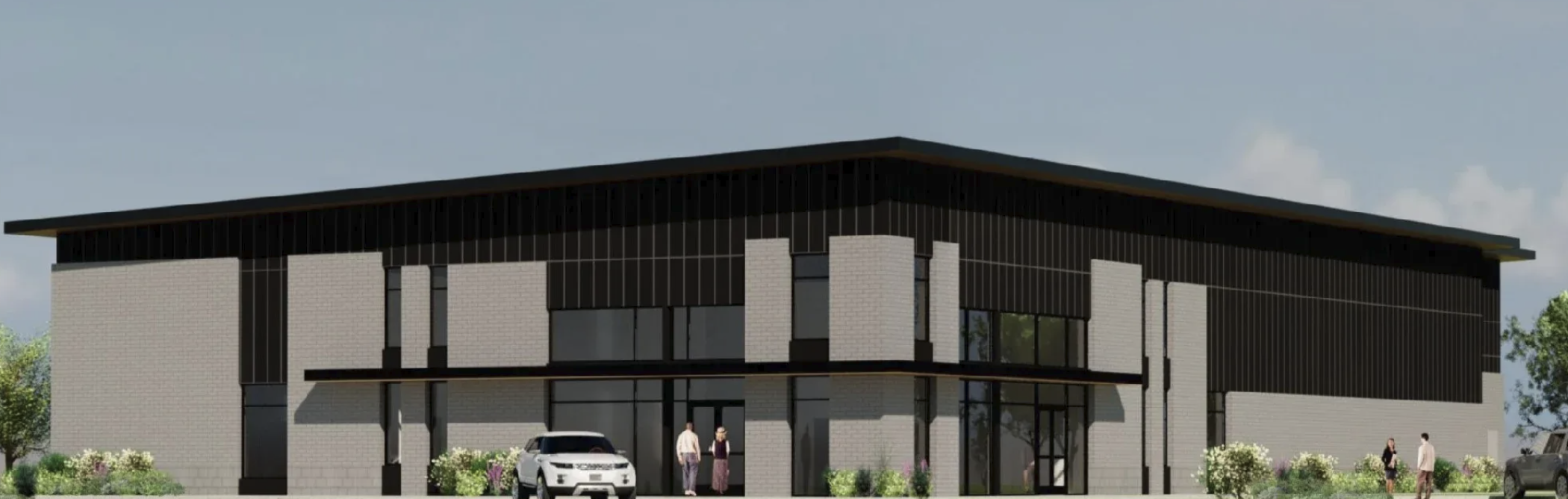
     Christian Brothers Automotive (CBA) recently broke ground on its new Mark A. Carr Technology & Training Center in Katy, Texas, marking a significant milestone in the brand’s long-term commitment to its people, franchisees and the future of the automotive repair industry, according toa statement from the company.

    The groundbreaking represents the next step following the company’s 2025 announcement of the $12 million investment, bringing the vision for a centralized, best-in-class training hub closer to reality. Projected to open in early 2027, the nearly 14,000-square-foot facility is named after CBA’s founder and will serve as a national center for hands-on technical instruction, leadership development, and guest-service excellence.

    “This training center is about far more than a building – it’s about investing in the long-term success of our team members and franchisees,” said Michael Suttle, chief development officer of CBA. “Breaking ground is an exciting moment because it reflects years of listening, planning and commitment to creating meaningful career paths and elevating the skilled trades.”

    Designed to support technicians at every stage of their careers, the center will offer end-to-end education, from entry-level apprenticeship support to advanced coursework in evolving vehicle technologies including electric vehicles (EV), hybrid and advanced driver-assistance systems (ADAS). The facility will feature multiple classrooms, vehicle-accessible learning spaces and a fully equipped advanced shop with original equipment-level (OE) tools and diagnostics, enabling the CBA team to deliver in-house, hands-on training at a scale uncommon in the independent automotive repair industry.

    By expanding training capacity beyond the limits of its current corporate facilities, CBA will be able to increase the frequency, accessibility and impact of its technical and service-focused programs, supporting improved technician productivity, shop performance and service consistency across its growing national footprint.

    The Katy campus also represents the first phase of a broader, long-term vision for the company. CBA said it plans to relocate its corporate Support Center from Houston’s Energy Corridor to the same site, creating a unified headquarters designed to support continued system growth and collaboration.