Follow Us

Tag: Newsletter 5th Article

  • SEMA supports bill that allows aftermarket businesses to calibrate advanced driver assistance systems

    SEMA supports bill that allows aftermarket businesses to calibrate advanced driver assistance systems

    The Specialty Equipment Market Association (SEMA) is praising the U.S. House of Representatives introduction of the ADAS Functionality & Integrity Act by Rep. Diana Harshbarger (R-Tenn.) and cosponsored by Rep. Gabe Vasquez (D-N.M.), Rep. Jay Obernolte (R-Calif.), and Rep. Norma Torres (D-Calif.).

    SEMA said it worked closely with lawmakers from both parties to secure bipartisan support for the legislation, which ensures that aftermarket businesses have the information needed to properly calibrate advanced driver assistance systems (ADAS) after vehicles are modified. SEMA said this legislation is critical to being able to safely make common modifications, including installing bike racks, wrapping a vehicle, installing larger wheels and tires, or installing a winch or aftermarket bumpers, without compromising the functionality of ADAS.

    SEMA said the bill is timely, because a forthcoming federal mandate that new, model year 2029 vehicles feature automatic emergency braking, bringing important safety systems to all new vehicles sold in the U.S.

    The ADAS Functionality & Integrity Act would require the National Highway Traffic Safety Administration (NHTSA) to establish ADAS guidelines to create modification ranges and tolerances for new vehicles starting in model year 2028. The bill also requires NHTSA to create guidelines that establish ADAS test procedures that aftermarket businesses can properly test and validate that the vehicle systems have been properly calibrated.

    “SEMA thanks Rep. Harshbarger for her leadership and Reps. Vasquez, Obernolte, and Torres for their strong support for ensuring vehicles with ADAS can be modified without compromising the integrity of these important safety systems, said Jim Moore, SEMA vice president of OEM and Product Development. “The introduction of the ADAS Functionality & Integrity Act is a landmark moment for anyone who owns, repairs, or modifies a vehicle.

    “Americans deserve confidence that those critical systems will work as intended for the entire life of their vehicle, even after repairs or customization. Currently, the industry lacks clear standards governing ADAS calibration, and aftermarket businesses and vehicle owners need access to the necessary calibration information and procedures needed to keep modern safety features functioning. This bill marks a critical step forward in the name of vehicle safety and is a major step forward in protecting the American people’s right to modify the vehicles they own.”
  • Kriete expands Milwaukee presence with Badger Acquisition

    Kriete expands Milwaukee presence with Badger Acquisition

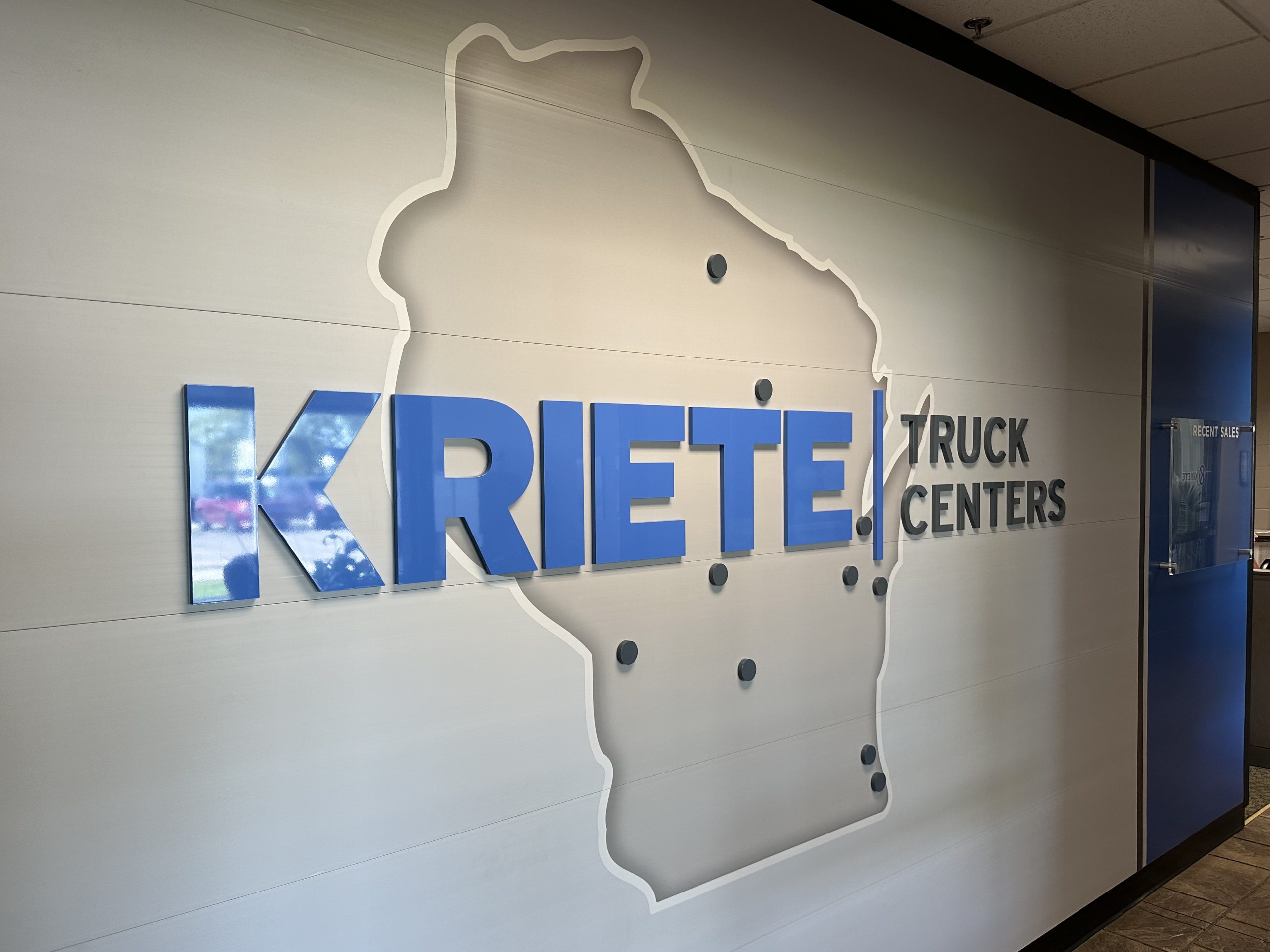
    Kriete Truck Centers, headquartered in Milwaukee with 11 locations across Wisconsin, recently announced it has acquired Badger Truck & Auto Group (Badger Truck Center) in Milwaukee.

    The newly acquired nearly nine-acre facility doubles Kriete’s Milwaukee market presence. The site’s location — one exit west of the Milwaukee Zoo Interchange — offers easy accessibility for the company’s growing customer base and supplier partner network.

    The expansion enables Kriete to offer customers a full line of Class 3–8 trucks, including Mack, Volvo, Hino, Isuzu, and Autocar, from its new Milwaukee location. This will be the company’s third Milwaukee-based location since its founding in 1951.

    Kriete Truck Centers, founded in 1951, has locations in Green Bay, La Crosse, Madison, Mauston, Sheboygan, Stevens Point and Tomahawk.

  • ASE certification Testing deadline is at end of the month

    ASE certification Testing deadline is at end of the month

    The National Institute for Automotive Service Excellence reminds service professionals to register for ASE certification testing by Dec. 31.

    Those who register by the deadline will have 90 days to schedule an appointment to take their selected ASE certification tests.

    Individuals who want to be certified or recertified in the following areas must register and take these specific tests by Dec. 31:

    • Test E1 – Truck Equipment Installation and Repair
    • Test E2 – Electrical/Electronic Systems Installation and Repair
    • Test E3 – Auxiliary Power Systems Installation and Repair
    • Test P4 – General Motors Parts Consultant
    • Test X1 – Undercar Specialist Exhaust Systems.

    Earlier this year, ASE announced the discontinuation of these five tests as of Dec. 31.

    To register, visit ASE.com, click on “register” and sign in. Once logged in, users can click on “orders” and then “store” where they can locate the tests they want to take. After adding those tests to the cart, they can check out and registration is complete.

    ASE provides three certification options:

    1. In-Person Testing: All tests can be taken in person at over 450 secure, proctored Prometric test centers, available year-round on weekdays, evenings and weekends.
    2. ProProctor Remote Testing: This online option allows individuals to take ASE recertification tests remotely. In addition, the auto maintenance and light repair (G1) initial certification test can be taken remotely through ProProctor.
    3. ASE Renewal App: For those who have been certified in the automobile certifications (A1-A9) series, the renewal app offers a streamlined way to manage recertification on a mobile device. If automotive service professionals have expired A-series tests, they can still use the app, but it will take at least eight months to get certified that way.

    To help with test preparation, ASE provides free study guides that include test overviews, sample questions and study tips and are ideal for assessing readiness and focusing preparation efforts.

    For assistance, registrants should contact ASE customer service at 800-390-6789.

  • $35 million Transportation Technologies Center opens at Texas Technical College

    $35 million Transportation Technologies Center opens at Texas Technical College

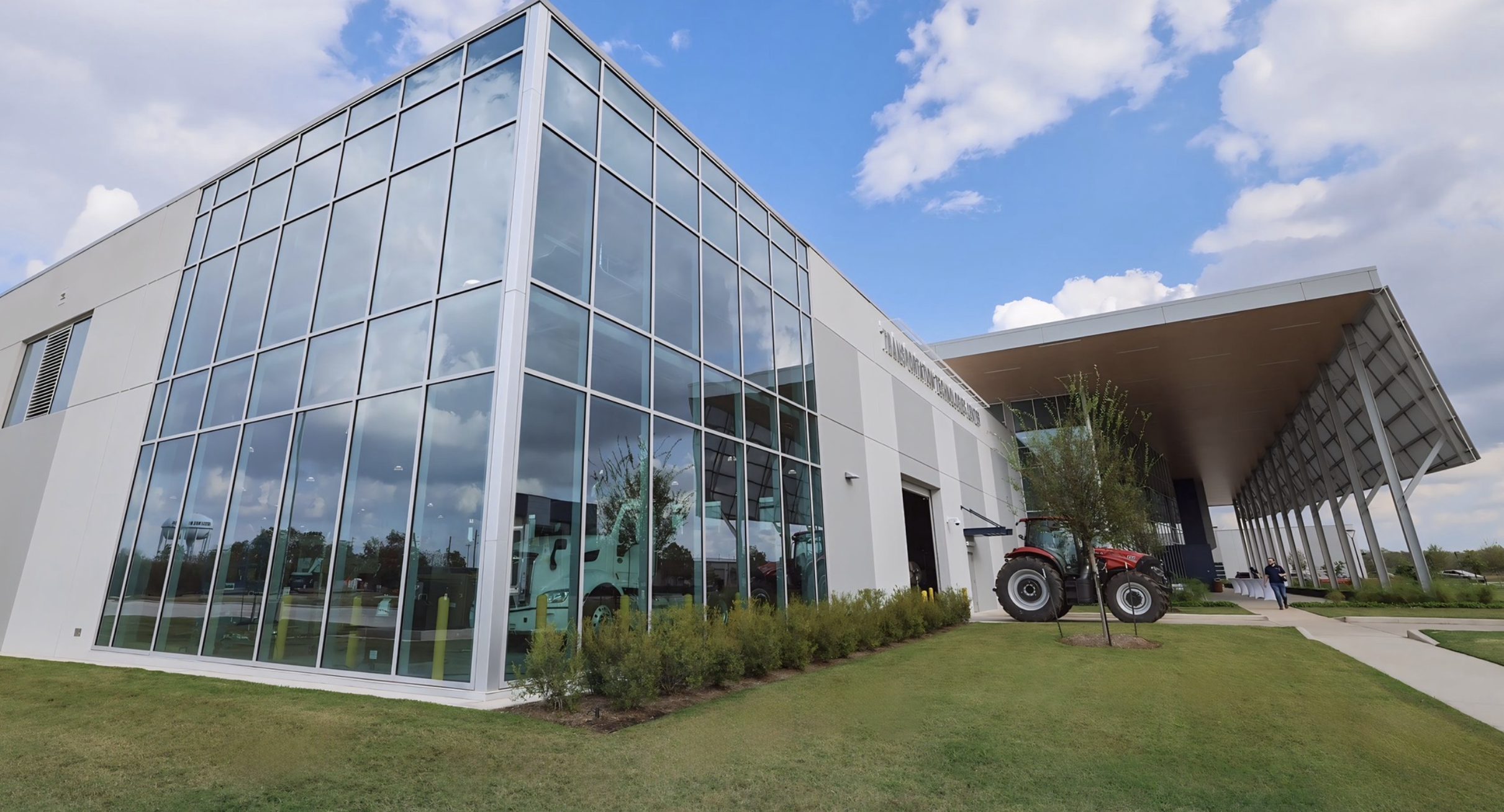
    Texas State Technical College’s Fort Bend County campus opened its new Transportation Technologies Center.

    Mike Reeser, TSTC’s chancellor and CEO, said of the new facility, “The vision of what we do is manifested in this new building. We focus on the big, heavy-duty jobs that are at the core of Texas power.”

    The new $35 million, 105,000-square-foot building houses the AutomotiveAutomotive Collision and Management, and expanded Diesel Equipment programs.

    The Automotive program has two pathways, an associate degree and certificate, both of which focus on internal maintenance on a variety of vehicles from small sedans to large trucks. Auto Collision and Management has two associate degrees, one focusing on outer-body repairs, the other on refinishing, along with a certificate of completion. Diesel Equipment retained the Heavy Truck specialization associate degree and certificate while adding an Off-Highway degree option.

    Registration for the spring semester is underway. For more information, go to tstc.edu.

  • Goodyear sells truck care centers to Southern Tire Mart at Pilot

    Goodyear sells truck care centers to Southern Tire Mart at Pilot

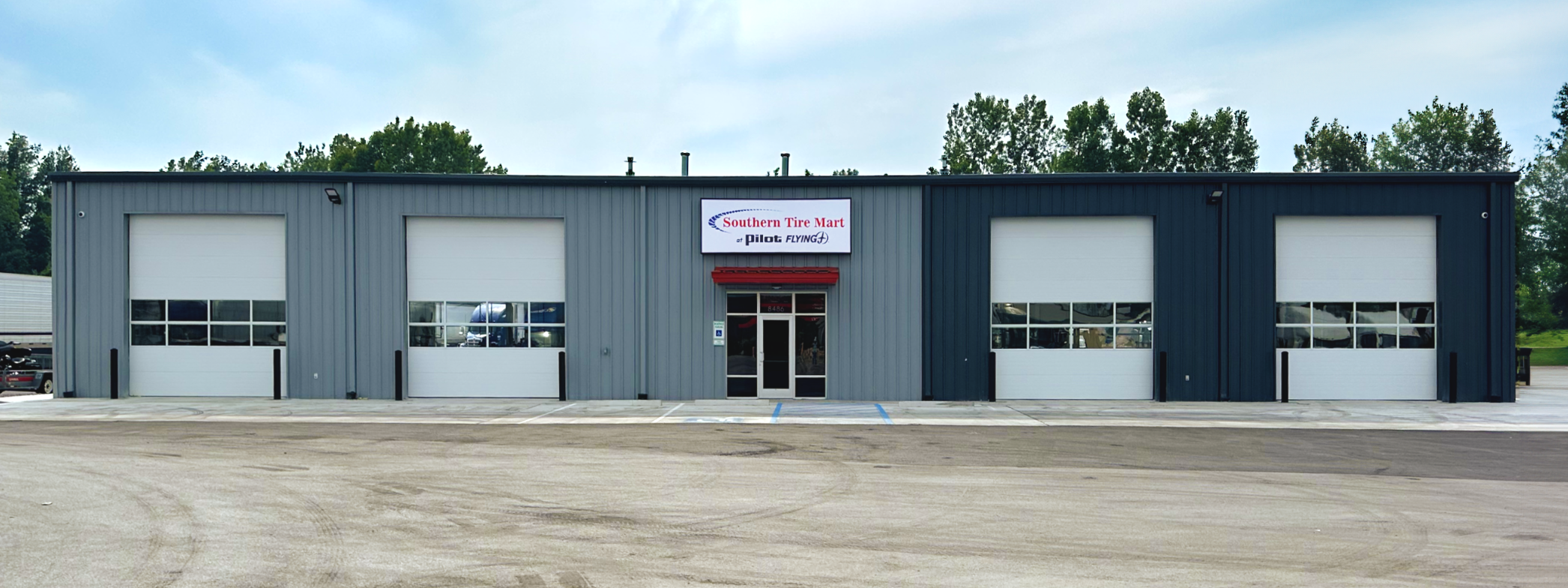
    Southern Tire Mart at Pilot recently acquired Goodyear Tire & Rubber Co.’s 42 Truck Care Centers.

    Terms of the deal were not disclosed.

    Southern Tire Mart at Pilot already operates 90 locations in 30 states.

    Southern Tire Mart operates 296 locations in 15 states.

    “Goodyear has entered into an agreement to sell 42 truck care centers (TCCs) to Southern Tire Mart at Pilot (STMP),” the company said in a statement. “Goodyear’s extensive national network of more than 200 remaining company-owned Commercial Tire & Service Centers locations will continue to be a cornerstone of the company’s commercial tire go-to-market strategy – offering trusted tires, reliable services and powerful management tools to help fleet customers lower operating costs, maximize uptime and improve efficiency.”

  • TLG Peterbilt relocates Kentucky facility; new one has 15 service bays

    TLG Peterbilt relocates Kentucky facility; new one has 15 service bays

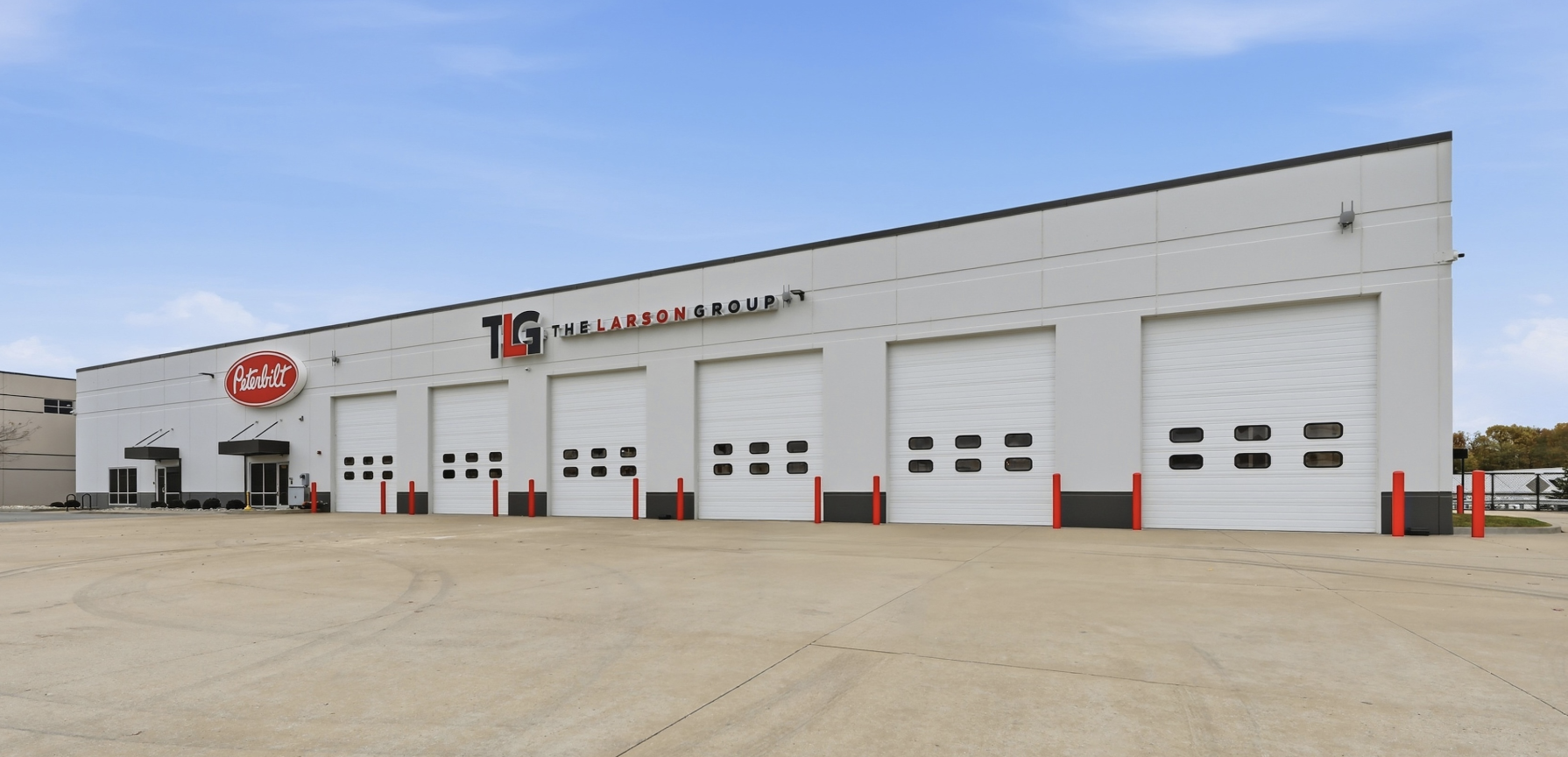
    TLG Peterbilt irecently announced the new location for its TLG Peterbilt – N Kentucky dealership.

    The dealership relocated to 2780 Earhart Court in Hebron, KY, and officially opened to the public Nov. 10.

    Located off I-275, the new facility is less than eight miles from its previous location. The new building will provide expanded parts and service capacity, increased office space and a modern driver’s lounge for a first-class experience.

    The move is in response to TLG’s growth in the area and will provide more accessibility and support for customers.  Cincinnati Commercial Contracting led the building remodel and design. CCC is a longstanding partner and has completed several TLG facility expansion projects.

    The new facility provides a 6,500 square foot parts warehouse, 15 service bays, and a body shop with a paint booth. Customers now have access to more amenities in a state-of the art facility to meet their trucking needs – all backed by TLG’s best-in-class customer service.

    “We’re thrilled to bring an even bigger and better TLG Peterbilt – N Kentucky to our customers and employees that they can call home,” said Regional Vice President Brian Farmer. “With the help of CCC, we’ve been able to provide a modern facility and better amenities that will only strengthen our support of customers in this area.”

    An Open House celebrating the new facility will occur in Spring 2026.

  • Funding available for propane engine training

    Funding available for propane engine training

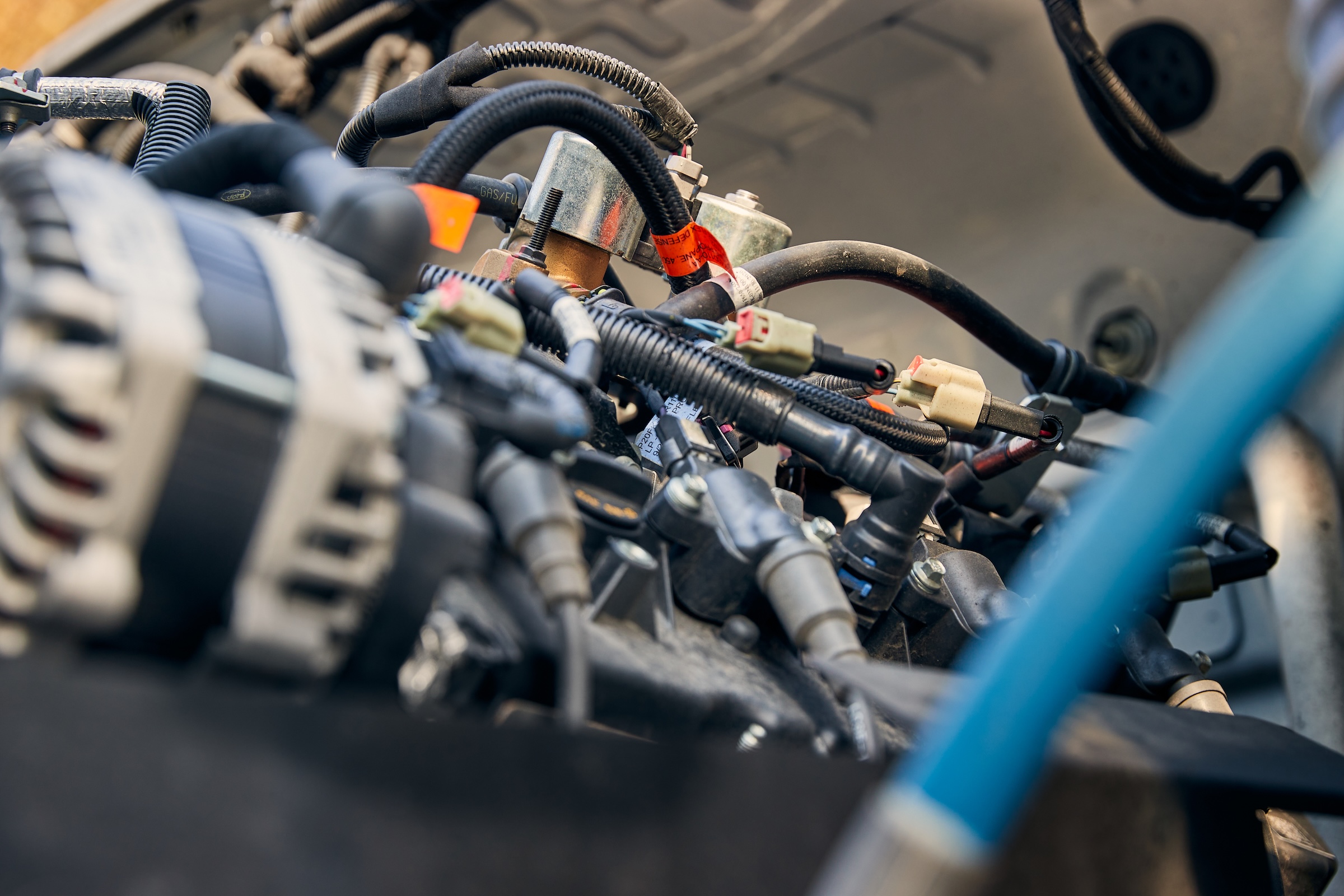
    As fleets continue to shift away from diesel and toward cleaner, reliable energy sources, a new generation of skilled automotive service technicians is needed to maintain alternative fuel vehicles, like those running on propane autogas. The Propane Autogas Vehicle Inspection Grant Program, offered by the Propane Education & Research Council (PERC), is providing schools across the country with valuable training and resources needed to prepare students to work on propane autogas buses, trucks, vans, and more.

    This grant program provides U.S. educational institutions with up to $7,500 in funding to integrate propane-specific curriculum and equipment into their existing automotive training programs. The goal is to equip students with real-world experience maintaining and servicing vehicles powered by propane autogas, according to a
    statement from PERC.

    “The Propane Autogas Vehicle Inspection Grant Program gives students an opportunity to learn these technologies in-depth, preparing them for successful careers after graduation supporting fleets that are increasingly turning to propane autogas,” said Joel Stutheit, senior manager of autogas business development at PERC. “This program also supports fleet owners by building a pipeline of talented and qualified technicians who can keep propane autogas trucks, vans, and buses on the road for years to come.”

    Now in its second year, the grant program has already supported 24 schools in 16 states, training hundreds of students to inspect, service, and maintain propane autogas engine systems. Each participating school receives propane-specific curriculum, as well as funding to purchase propane autogas training equipment and to send an instructor to a “Train the Trainer” course. Eligible institutions must already offer an automotive program.


    PERC said in a statement that more than 60,000 propane autogas vehicles are in operation across the U.S., providing dependable service to transit agencies, delivery companies, emergency response fleets, utility crews, and more. Propane autogas is not only reliable but also clean, producing up to 96 percent fewer nitrogen oxide (NOx) emissions than diesel, according to PERC. It offers lower fuel and maintenance costs, supports better air quality, and contributes to more consistent uptime, the association said.

    “Enhanced curricula made possible by the Propane Autogas Vehicle Inspection Grant Program have given both students and schools a leg up,” Stutheit said. “Schools are able to expand their course offerings without increasing costs to students, while students gain new, valuable skill sets that position them for long-term success in a rapidly changing transportation industry.”

    The application window is open through December 19. To learn more about the grant program or to apply, visit propane.com/autogasgrantprogram.

  • TA Petro halts highway repair calls; research shows many motorists do not slow down and move over

    TA Petro halts highway repair calls; research shows many motorists do not slow down and move over

    Citing safety concerns, one of this country’s leading travel center operators has decided temporarily not respond to roadside breakdowns.

    Travel Centers of America, which operates TA, Petro and TA Express, this week said it is looking at how to improve the safety of technicians making repairs alongside busy highways.

    A statement issued by the company said, “We have paused Emergency Roadside Assistance (ERA) work on the highways until further notice. Roadside ERA will not resume until we have a better understanding of what improvements may be needed to support the safety of our employees. Our ERA teams are still responding to non-highway calls.” 

    A social media post making the rounds of trucking related accounts added, “During this time we will continue to provide services in parking lots, rest areas, and other non-highway or highway locations where it is safe for our team members to do so.”

    Travel Centers of America provides a variety of truck service repairs and maintenance at 245 Truck Service locations. According to its website, TA Petro maintains its own 24-hour Emergency Roadside Assistance network of 600 roadside assistance trucks and more than 3,000 service technicians. It also relies on qualified third-party providers to respond to roadside repair requests.

    Travel Centers of America is owned by BP Products of America, part of the London-based energy company formerly known as British Petroleum. bp finalized the purchase of TA Petro in 2023 for $1.3 billion.

    At about the same time TA Petro made its decision to pause on-highway service responses, AAA issued new research that shows that many motorists are not observing laws which require them to slow down and move over when passing first responders and repair personnel working on the side of the highway.

    When AAA researchers reviewed real-world footage of drivers passing roadside incidents, they found only 64% of vehicles either slowed down or moved over. The remaining 36% did neither. Changing lanes was far more common than reducing speed, suggesting that many drivers are missing half the law’s intent. 

    “Slow Down, Move Over laws exist to protect roadside heroes, first responders, and the stranded motorists who they serve. However, as these statistics demonstrate, drivers do not always follow the law, all too often resulting in preventable tragedies,” said Dr. David Yang, President and Executive Director of the AAA Foundation for Traffic Safety. 

    While every state and the District of Columbia has a “Slow Down, Move Over” law, many drivers don’t fully understand what those laws require. AAA’s national survey found two-thirds of drivers said they’ve heard of SDMO laws, but many couldn’t say whether their state has one or what the law entails. Drivers are far less likely to move over or slow down for tow trucks or stranded vehicles than for police, revealing a widespread misconception about who the laws protect. 

    The research reveals several troubling trends: 

    • Tow truck operators face the greatest risk. Only 58% of drivers witnessed in surveillance footage slowed down or moved over when a tow truck was stopped at the roadside, compared to 66% who slowed down or moved over for police vehicles. 
    • Intentions don’t match actions. Most drivers say they comply with SDMO laws, but roadside video shows otherwise—especially when it comes to reducing speed.
    • Weak enforcement reduces deterrence. Drivers perceive little risk of being ticketed, and penalties vary widely—from $30 in Florida to $2,500 in Virginia. 

    AAA is encouraging policymakers, enforcement agencies, and safety partners to strengthen and align their approaches to “Slow Down, Move Over” laws—making them clearer, more consistent, and easier for drivers to follow. 

    AAA’s recommendations include:  

    • Clarify and align SDMO laws across states, including a consistent definition of what it means to “slow down.”
    • Raise public awareness through emotionally compelling, visually clear campaigns that humanize the impact of noncompliance and showcase all vehicles covered by the laws.
    • Increase enforcement visibility with coordinated, high-visibility efforts and education-first use of emerging technologies like dashcams and automated enforcement systems. 

    Last year, 46 emergency responders never made it home, according to the Emergency Responder Safety Institute. They were police officers, firefighters, EMTs, and tow truck operators—struck while assisting others on the roadside.

    “Every responder working on the roadside deserves to make it home safely,” said AAA Director of Traffic Safety Advocacy and Research Jake Nelson. “We need clear, consistent laws, visible enforcement, and education that resonates with drivers. When everyone understands what ‘slow down, move over’ really means, we can make our roads safer for those who protect us every day.” 

  • Tampa and local college launch technician training program

    Tampa and local college launch technician training program

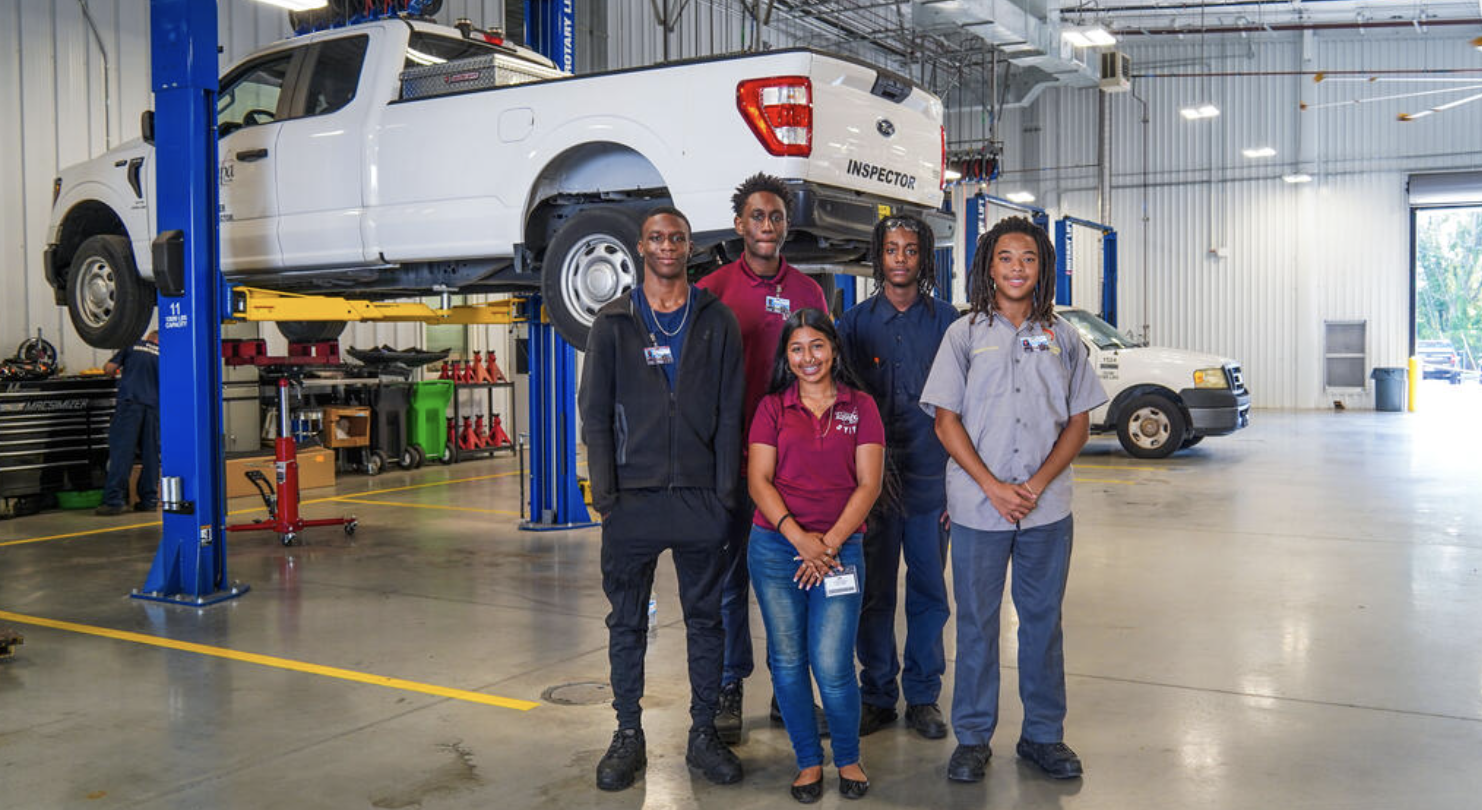
    The City of Tampa, Florida and Hillsborough College are joining forces to launch GEAR UP, a new workforce development program designed to build a pipeline of certified, job-ready fleet technicians to meet growing local and national demands, according to a statement from the city.

    The GEAR UP program gives participants paid, hands-on experience in the City’s Fleet Maintenance Division while they complete their education at HC. The City of Tampa will cover the full cost of program tuition and training for participants while they are employed with the city.

    GEAR UP is being created in response to a growing shortage of qualified automotive technicians across the country and in Florida, the city’s statement said. The program will help ensure reliable service for the city’s essential vehicle fleet while creating a clear pathway into stable, skilled careers for local students.

    The first three students selected to GEAR UP are Christopher Figuereo, Michael Daniels, and Maurice Daniels. Each are top students in their class, recognized by HC instructors for professionalism, enthusiasm, and potential to contribute to city operations.

    “Programs like GEAR UP show what’s possible when we invest in people who are already part of our community,” said Mayor Jane Castor. “Every great city depends on the people who keep it running, and our fleet technicians are at the heart of that, keeping patrol cars, fire trucks, and service vehicles ready to serve our residents every day.”

  • New Canadian truck dealership has 20 bays, 18 techs and 8 master techs

    New Canadian truck dealership has 20 bays, 18 techs and 8 master techs

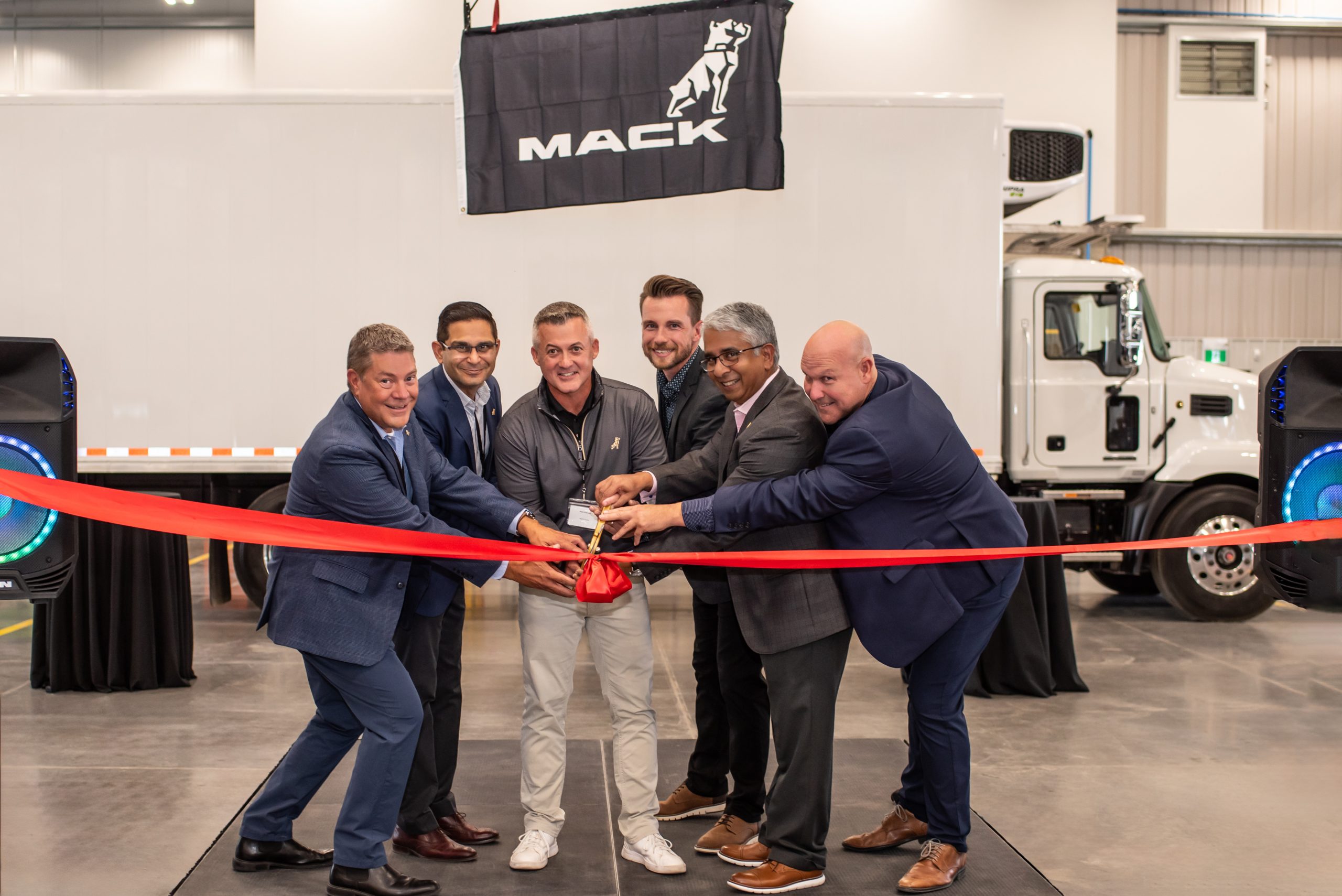
    Mack Trucks earlier this week announced that its dealer TransWestern Truck Centres relocated and opened a new full-service facility in Southeast Calgary, Alberta, Canada. The investment in the new location will improve serviceability and operational efficiency, according to a statement from the company.

    TransWestern Truck Centres’ 52,000 square-foot new dealership rests on 5.25 acres of fully fenced and secure land. The facility offers $2.1 million in parts inventory, 20 service bays, 18 technicians and eight master technicians. In total, 43 people are employed at the Calgary location.

    “Mack invested in Calgary due to the fact that Calgary is a strong market with outstanding customers that need to move freight all over North America,” said Matt Davison, Mack senior vice president of distribution and channel development. “We had outgrown our previous facility and wanted to provide a better customer experience with greater accessibility and more amenities for all customers in Calgary or traveling through Alberta.”

    The new facility is a Mack Certified Electric Vehicle (EV) Dealer and is certified to service Mack Compressed Natural Gas (CNG) customers. The Calgary site also has the capability to expand for hydrogen fuel. TransWestern Truck Centres in is a Mack Certified Uptime Dealer.

    TransWestern Truck Centres is a heavy-duty truck dealership located in Calgary, Alberta, Canada, with a focus on selling, servicing, and providing parts for heavy and medium-duty trucks, particularly Mack trucks. There also is a location in Lethbridge, Alberta for parts and service. TransWestern Truck Centres has been a corporate-owned store for more than 10 years.

    “This new, expanded facility in Calgary represents a massive step forward for TransWestern Truck Centres and, more importantly, for our customers across Southern Alberta,” said Randy Muller, general manager of TransWestern Truck Centres in Calgary. “The increase in parts warehousing, service bay capacity coupled with the latest diagnostic technology, allows us to deliver on our commitment to maximize our customers’ uptime.”